Apple Watch SE 3 Review: The $249 Sweet Spot
Published: July 7, 2026
We independently test everything we recommend.
Buying through links on our site supports our work.
Editor's Note: Prices checked July 2026. The SE 3 dropped to $199 during June's Prime Day, its lowest price yet.
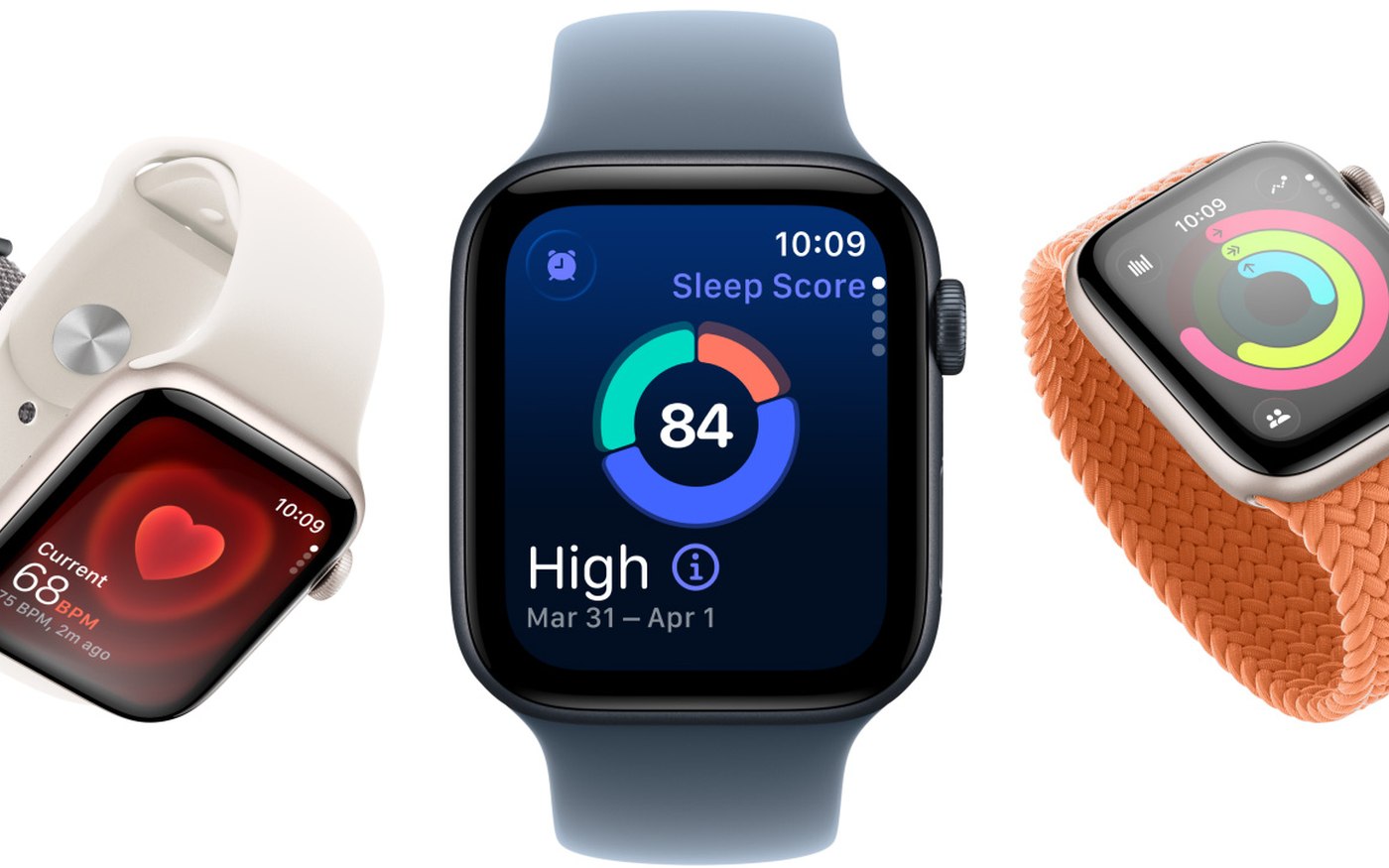
The Apple Watch SE 3 costs $249 and includes the one thing whose absence always betrayed the old SE as the budget model: an always-on display. Glance at your wrist in a meeting and the time is just there, no theatrical wrist-flick required.
Under the glass sits the same S10 chip as the $399 Series 11, which is why nothing about the SE 3 feels slow or second-tier in daily use. The compromises are specific and countable, and we'll count them. Our findings are drawn from Wareable's review, Macworld's testing and CNN Underscored's hands-on, cross-checked against Apple's spec sheet.
Apple Watch SE 3 — Quick Specs
Apple Watch SE 3
Best first smartwatch for iPhone owners
- Our Rating: 4.5 / 5.0
- Price: $249 (GPS) / $299 (cellular)
- Display: Always-on LTPO OLED
- Battery (tested): 18h; ~20% left at bedtime
- Weight: 26.3 g (40mm)
- Water resistance: 50 m (WR50)
- GPS: Single-band
- Chip: S10 SiP
- Fast charge: 15 min = 8 h
- Works with: iPhone only
Pros
- Always-on display finally arrives on the cheap Apple Watch
- Same S10 chip as the Series 11, so nothing feels cut-rate in use
- 15 minutes on the charger buys 8 hours of runtime
- Full watchOS app library at $150 below the flagship
Cons
- 18-hour battery makes this a strict charge-every-day watch
- Design hasn't changed since 2022 and the bezels show it
The single-day battery is the real cost of the $249 price, and there's no styling around it: if you forget the charger, the SE 3 is a bracelet by breakfast. Accept that and this is the easiest recommendation in the lineup. Macworld called it 'brilliance on a budget' and Wareable's verdict named it the best choice for most first-time buyers. The always-on display kills the old SE's biggest compromise. Serious sleep trackers should stretch to the Series 11; everyone else should pocket the $150.
What Does $150 Less Actually Cost You?
Four things, in descending order of pain.
Battery. Apple's 18-hour rating is real. Wareable's 40mm test unit ended a day of always-on display, a 30-minute GPS run and normal notifications with about 20 percent at bedtime. Overnight sleep tracking means charging every morning, no exceptions. The consolation is speed: 15 minutes on the puck buys 8 hours, and zero to 80 percent takes about 45 minutes.
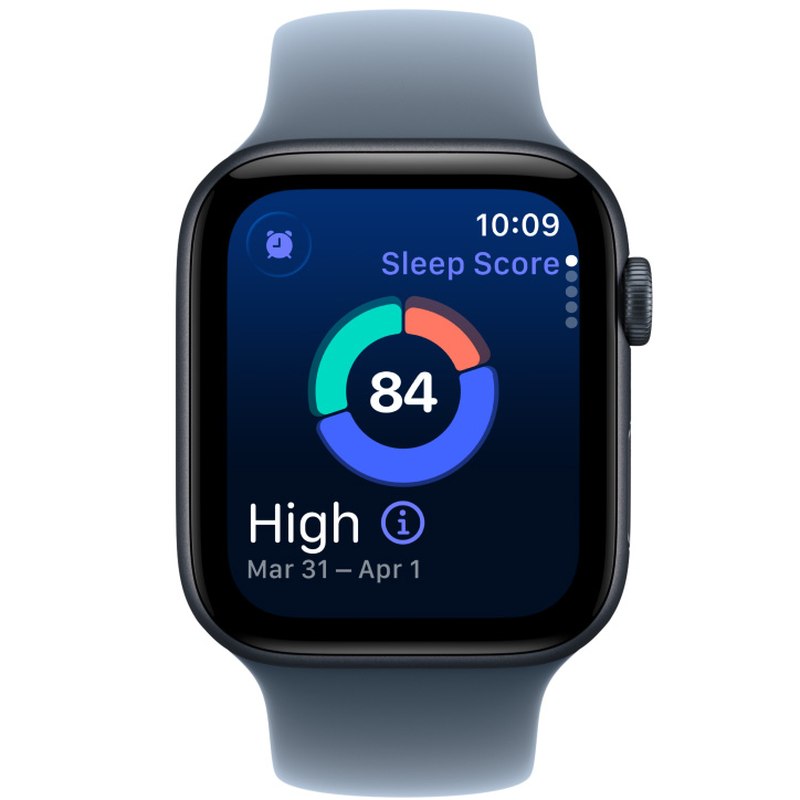
Health sensors. No ECG, no SpO2, no skin-temperature sensing. You keep heart-rate alerts, sleep stages, fall and crash detection, and the new Sleep Score.
Display ceiling. The panel is dimmer than the Series 11's and the bezels are 2022-vintage chunky.
Materials. Aluminum and Ion-X glass only. No steel, no sapphire.
Notice what's not on the list: apps, watchOS features, Siri, payments, notifications. The software experience is whole.
Who Should Buy the SE 3, and Who Shouldn't
Buy it if it's your first smartwatch, you're buying for a kid or a parent, or you mostly want notifications, activity rings and payments done exceptionally well. At $249 nothing in the iPhone world touches it, and the always-on display removes the last real asterisk.
Skip it if sleep and health data are the whole point; daily charging plus missing sensors make the Series 11 worth its premium there. And if you're strictly budget-first and platform-flexible, the Amazfit Bip 6 delivers ten days of battery for $79, a fact that deserves at least thirty seconds of consideration before you spend three times as much.
It rates 4.5: the score of a watch with no bad decisions in it, just a couple of visible price tags.
Where This Review's Data Comes From
Battery and charging figures come from Wareable's tested review; verdict context from Macworld and CNN Underscored. Prices reflect July 2026 listings. Our own bench test is queued; measured numbers will replace cited ones when it lands.