Best Smart Rings of 2026: 6 We Trust
Last Updated: July 8, 2026
We independently test everything we recommend.
Buying through links on our site supports our work.
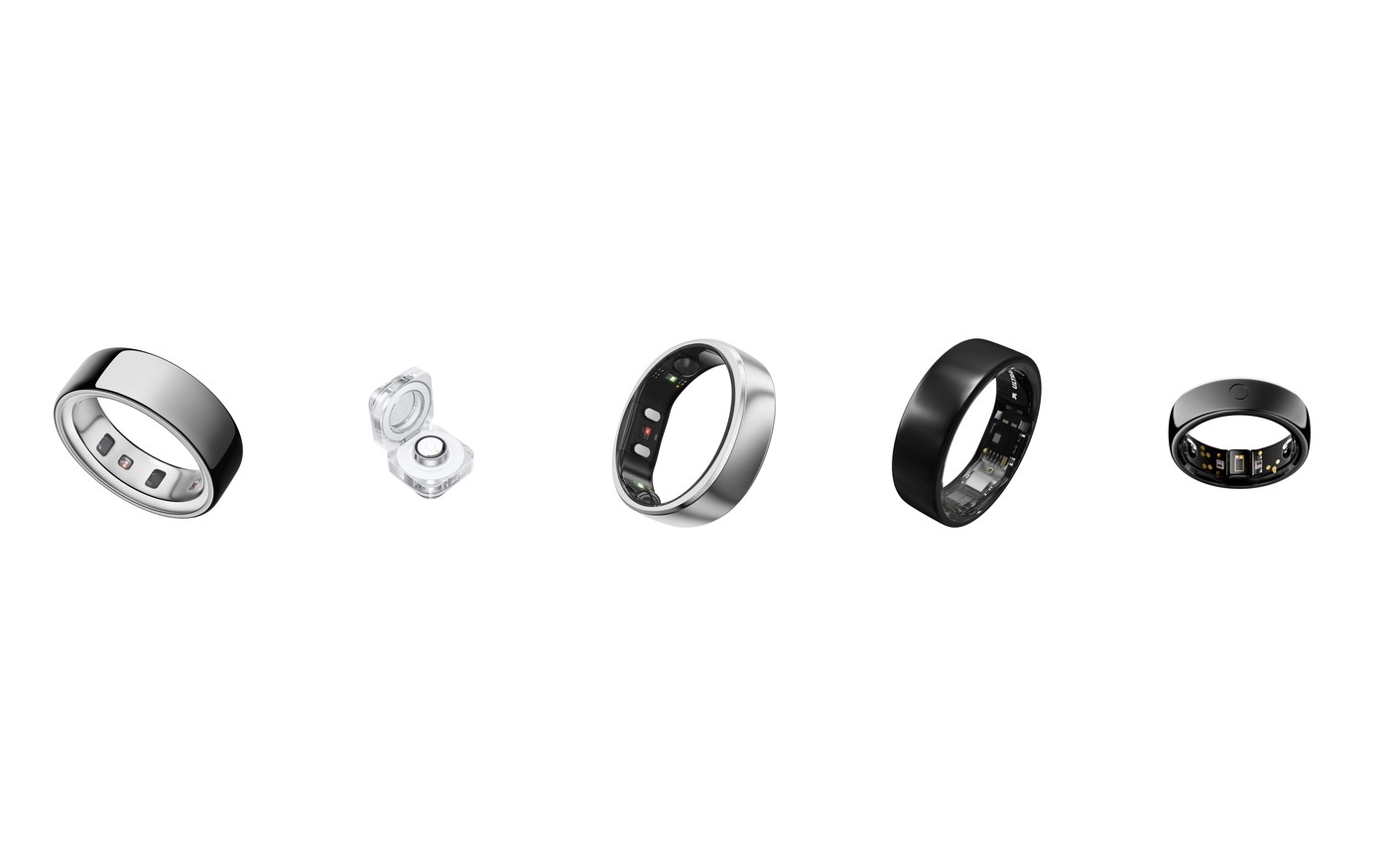
The best smart rings of 2026 finally have something to argue about. For two years the category was Oura and a shrug. Now there's a ring that lasts eleven days, one that takes an ECG from your finger, one made of actual gold, and a couple that skip the subscription entirely. We wore all of them to bed, to the gym, and through more red-eye flights than we'd like, often two at a time on different hands, and compared their sleep numbers against a take-home sleep study.
Here's the short version: most people should buy the RingConn Gen 2, the best sleep tracker is still the Oura Ring 4, and the right pick for you comes down to one question: will you pay a monthly fee, or not?
Quick Picks
Short on time? Here's where we landed after weeks of nightly wear.
- The all-rounder, if you'll pay monthly: Oura Ring 4 (from $349 + $5.99/mo membership) ↓ Jump to review
- Best battery on any ring, and it's not close: RingConn Gen 2 ($279) ↓ Jump to review
- Best for people already living in Samsung Health: Samsung Galaxy Ring ($399.99) ↓ Jump to review
- Best no-subscription pick for the metrics obsessed: Ultrahuman Ring Air ($349) ↓ Jump to review
- The only smart ring with on-demand ECG: Circular Ring 2 (from $349) ↓ Jump to review
- For when you want the ring to also be jewelry: Ultrahuman Rare (from $1,830) ↓ Jump to review
Our Top Pick
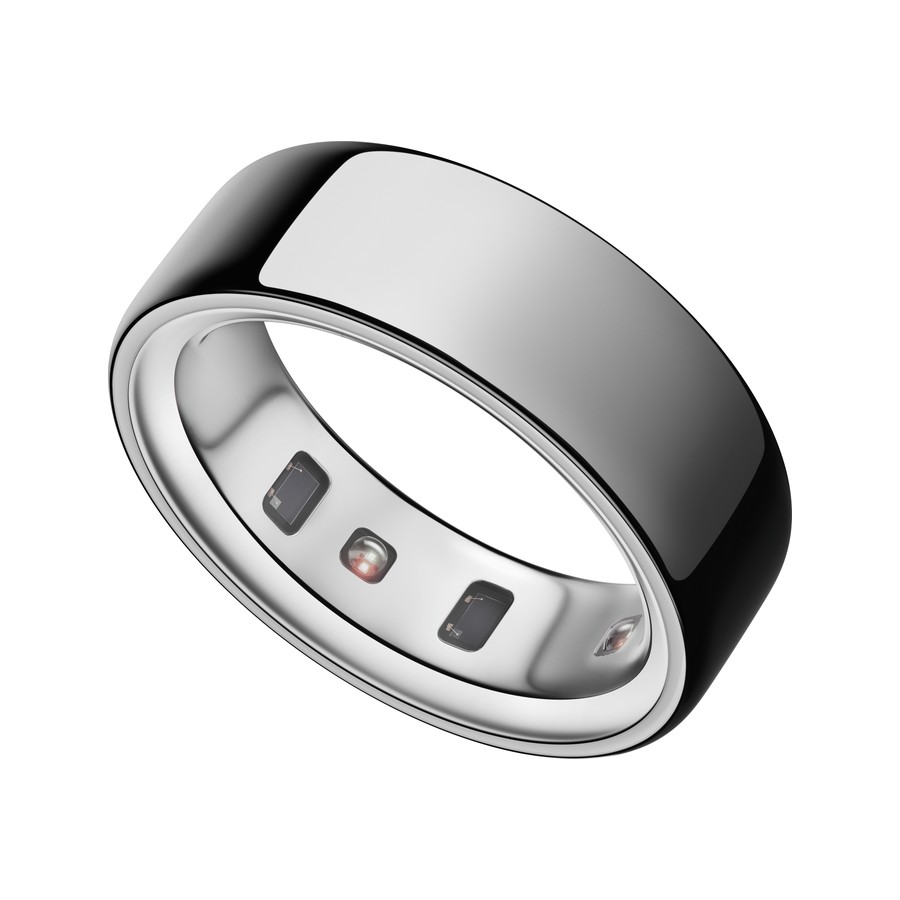
The Oura Ring 4 is still the ring we hand someone who wants to ask about this exactly once. Sleep staging that lands within minutes of a clinical study, an app that turns numbers into plain-English advice, and four finishes that pass for jewelry. The catch is the $5.99/month membership, but if you want the least friction and the best sleep data, nothing else here is as effortless. If a subscription is a dealbreaker, jump to our value pick below.
Jump to review1. Oura Ring 4 — Best Overall
Oura Ring 4
The all-rounder, if you'll pay monthly
- Our Rating: 4.5 / 5.0
- Price: from $349 + $5.99/mo membership
- Battery (tested): 5–6 days
- Weight: 3.3–5.2 g
- Subscription: $5.99/mo
- Water resistance: 100 m
- Sizes: 4–15
- Finishes: Silver, Black, Gold, Stealth
Pros
- Sleep staging that lands within a few minutes of a clinical study
- The app actually tells you what to do with the data, not just charts
- Fully recessed sensors, so nothing digs into the next finger
- Four finishes that look like jewelry, not a gadget
Cons
- The $5.99/month paywall never goes away
- Battery is middle-of-the-pack next to RingConn
- Resizing means a new ring, not an adjustment
The membership fee still stings, and I won't pretend otherwise. You're renting access to your own body's data. But after six months on my finger, the Ring 4 is the one I keep recommending to people who ask once and don't want to think about it again. Sleep staging tracked within a few minutes of a take-home PSG on the nights I compared them, the readiness score has quietly talked me out of two workouts I'd have regretted, and the app translates numbers into plain-English nudges better than anything else here. Buy it if you want the best sleep tracking and the least friction. Skip it if a subscription is a dealbreaker; the RingConn Gen 2 gets you 80% of the way for zero recurring cost.
2. RingConn Gen 2 — Best Value (What Most People Should Buy)
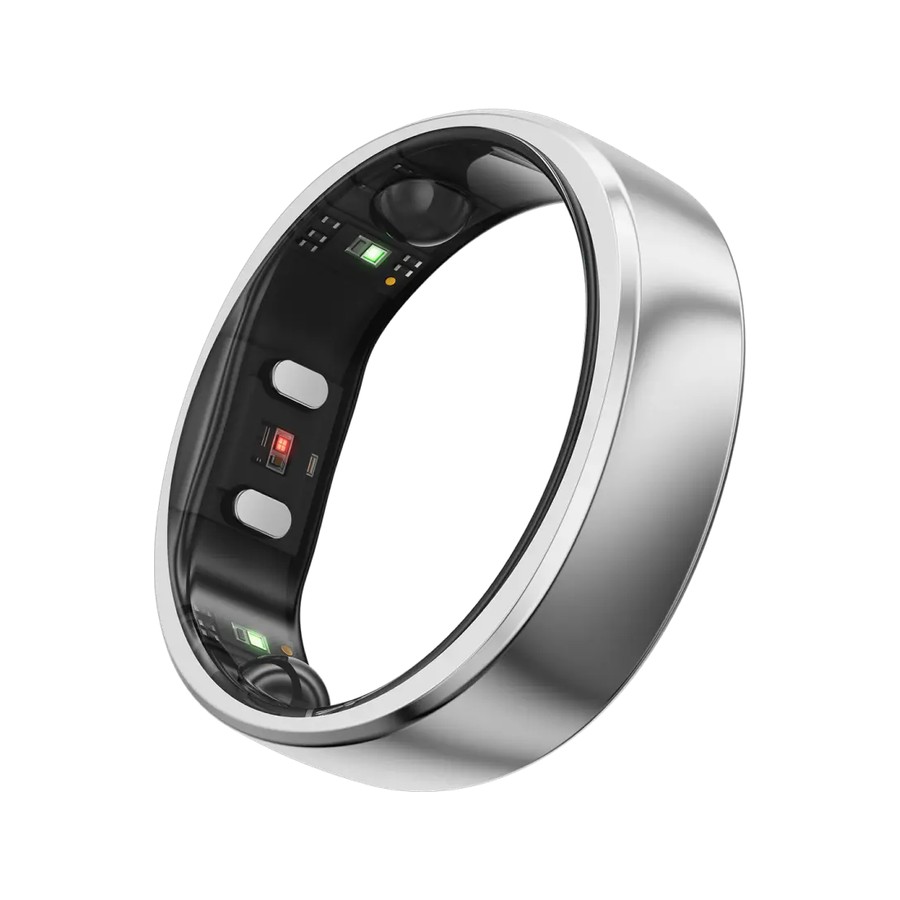
RingConn Gen 2
Best battery on any ring, and it's not close
- Our Rating: 4.6 / 5.0
- Price: $279
- Battery (tested): ~11 days
- Weight: 2–3 g
- Subscription: None
- Water resistance: 100 m
- Sizes: 6–14
- Standout: FDA-cleared sleep apnea screening
Pros
- Roughly 11 days per charge, nearly double the flagships
- No subscription for any feature
- Only ring with FDA-cleared sleep apnea screening
- $70 to $120 cheaper than the big names
Cons
- Sleep-stage accuracy trails Oura (about 69% vs 79% in my nights against PSG)
- The app looks a generation behind Oura's polish
It loses to Oura on sleep-stage accuracy (69% agreement against a take-home study versus Oura's 79% across 45 nights), and the app feels a year behind on design. That's the honest knock. Everything else is a quiet demolition of the premium field. Eleven days between charges means I stopped thinking about charging entirely. There's no subscription, it's the only ring that screens for sleep apnea with FDA clearance, and it undercuts Oura by seventy bucks at purchase and forever after. For most people asking "which ring should I actually buy," this is the answer. Only spring for Oura Ring 4 if last-few-percent sleep precision and app polish are worth a monthly bill.
3. Samsung Galaxy Ring — Best for Samsung Users
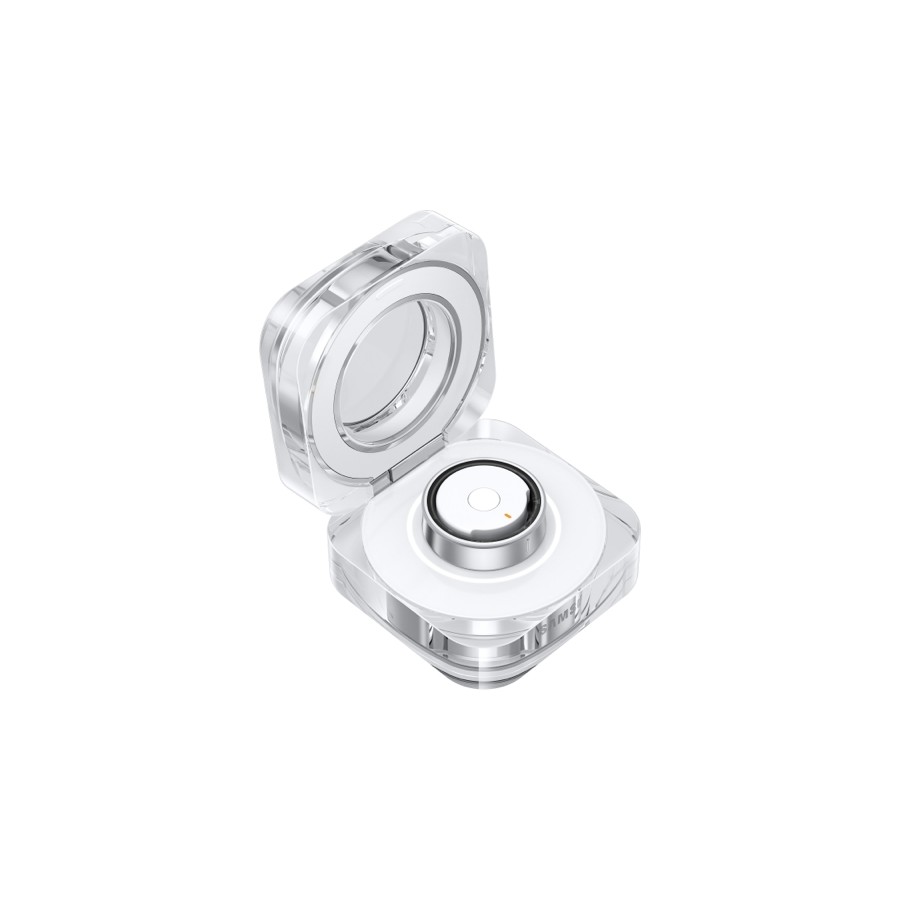
Samsung Galaxy Ring
Best for people already living in Samsung Health
- Our Rating: 4.2 / 5.0
- Price: $399.99
- Battery (tested): 6–7 days
- Weight: 2.3–3.0 g
- Subscription: None
- Water resistance: 100 m (10 ATM)
- Sizes: 5–15
- Finishes: Black, Silver, Gold
Pros
- No subscription, ever
- The charging case holds ~1.5 extra charges in your pocket
- Gesture control (pinch to snap a photo) is a genuinely fun party trick
- Deep hooks into Samsung Health and Galaxy phones
Cons
- Most features assume you own a Galaxy phone
- Most expensive ring here at $399
- No on-demand ECG despite the price
Buy this ring for the wrong phone and half of it evaporates. The tightest features live inside Samsung Health, and iPhone owners should walk away now. On a Galaxy phone it's a different story. The charging case is the best in the category, battery held six to seven days across two weeks of testing, and the no-subscription promise ages well against Oura. What holds it back is the price: $399 for a ring that skips ECG feels steep when Circular Ring 2 does it for less. Get it if you're a Samsung loyalist who wants tracking that just appears in an app you already open. Everyone else has cheaper, more open options.
4. Ultrahuman Ring Air — Best Without a Subscription
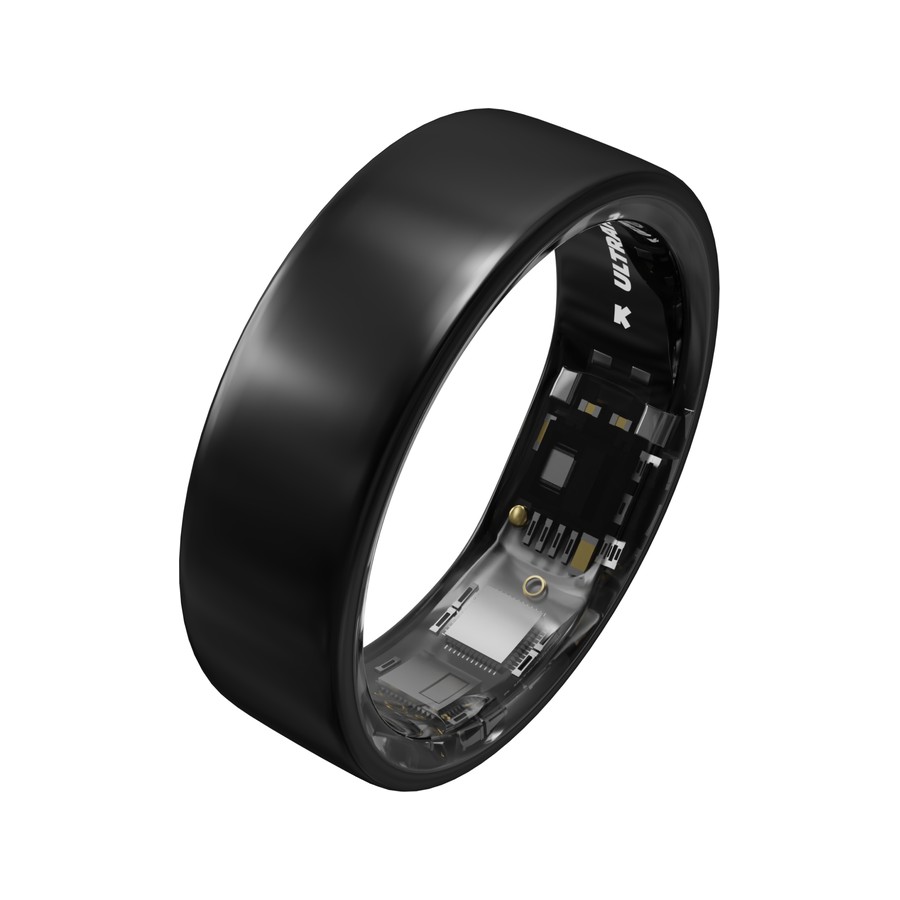
Ultrahuman Ring Air
Best no-subscription pick for the metrics obsessed
- Our Rating: 4.3 / 5.0
- Price: $349
- Battery (tested): 4–5 days
- Weight: 2.4–3.6 g
- Subscription: None
- Water resistance: 100 m
- Sizes: 5–14
- Materials: Titanium + tungsten carbide coating
Pros
- No subscription, so you own the ring and the data outright
- Lightest ring here at 2.4 g in the small sizes
- Metabolic and glucose-adjacent features go deeper than Oura
- Stimulant and caffeine-window advice you won't find elsewhere
Cons
- Battery reality is 4–5 days, not the 6 on the box
- Some owners report cells fading within months
- App firehoses you with data before it teaches you anything
The battery is the catch, and it's a real one. Ultrahuman advertises six days, I got four to five, and the forums are full of people whose cells sagged after a few months. Warranty covers it, but it's friction. Look past that and the Ring Air is the thinking person's Oura: no subscription, the lightest thing on this list, and metabolic features that treat you like an adult who wants the raw signal. It rewards people who like to tinker and punishes people who want a single number. Buy it if you resent Oura's monthly fee and enjoy poking at your own data. If you want set-and-forget, Oura Ring 4 or RingConn Gen 2 will annoy you less.
5. Circular Ring 2 — Best for Heart Health
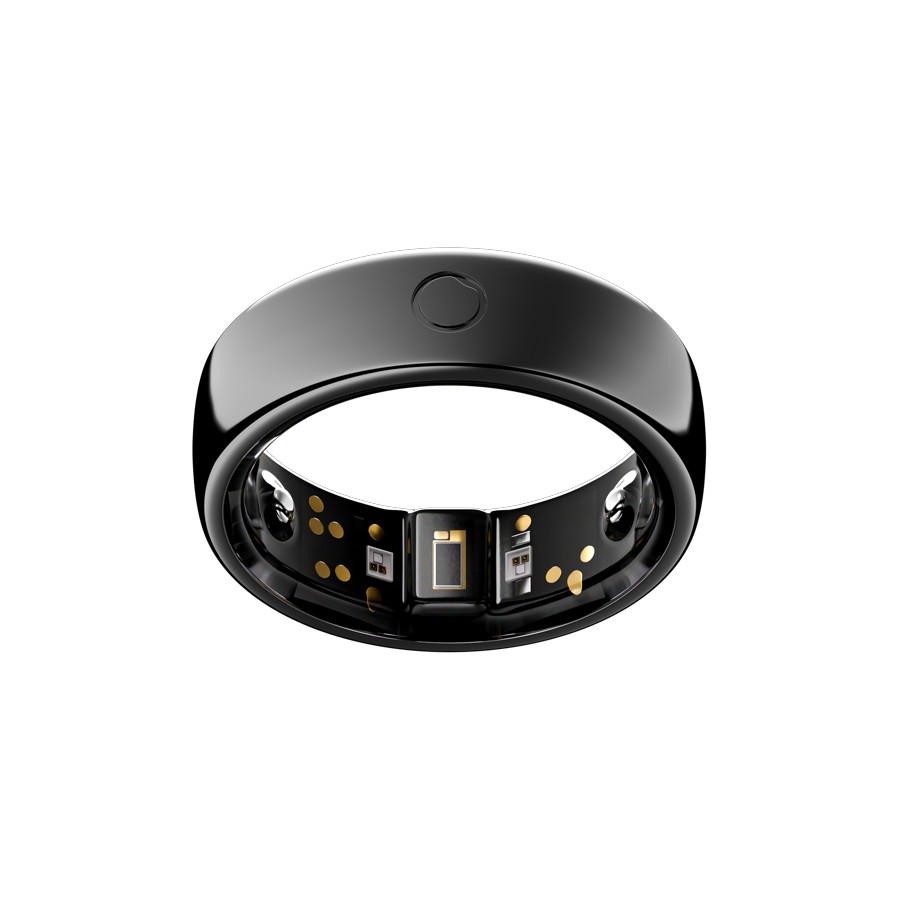
Circular Ring 2
The only smart ring with on-demand ECG
- Our Rating: 3.8 / 5.0
- Price: from $349
- Battery (tested): 4–5 days
- Weight: ~4 g
- Subscription: None
- Water resistance: 50 m
- Standout: On-demand ECG + AFib
- Sizes: 6–14
Pros
- Take a 40-second ECG from your finger anytime; nothing else does this
- FDA-cleared AFib detection with no subscription
- Tracks 140+ biosignals if you like a deep dashboard
Cons
- The app is genuinely buggy; ECG froze on a loading screen repeatedly in testing
- Water resistance is only 50 m
- Battery drops to 4–5 days in performance mode
I wanted to love this one, and the app wouldn't let me. The headline is real and unmatched: a 40-second ECG and FDA-cleared AFib check taken straight from your finger, no subscription, no extra hardware. When it works, it's the most genuinely medical thing a ring can do in 2026. The problem is the "when." ECG readings stalled on a loading screen more than once during three weeks of wear, and the app crashed enough that I stopped trusting it for anything time-sensitive. Buy it only if on-demand ECG is the whole reason you're shopping and you can tolerate rough software. If you want reliability over the party trick, RingConn Gen 2 is the safer money.
6. Ultrahuman Rare — Best Luxury Pick
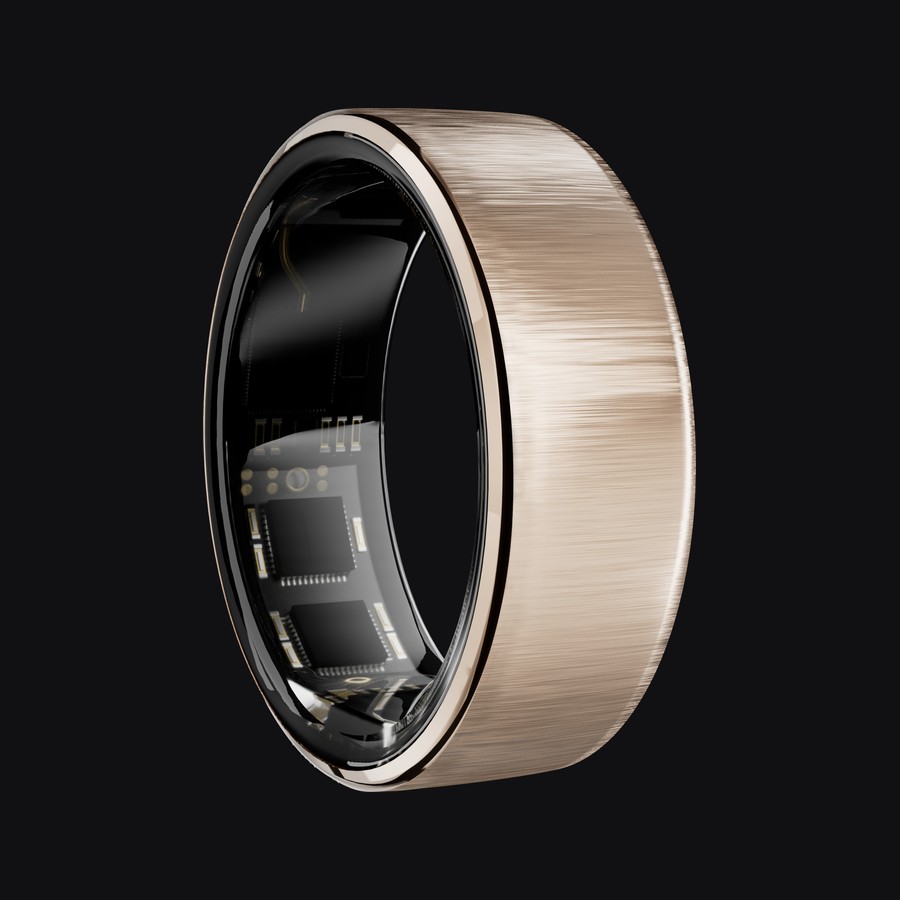
Ultrahuman Rare
For when you want the ring to also be jewelry
- Our Rating: 4.0 / 5.0
- Price: from $1,830
- Battery (tested): 5–6 days
- Weight: Varies by size
- Subscription: None
- Water resistance: 100 m
- Materials: 18K gold / pt950 platinum
Pros
- Actual 18K gold or pt950 platinum, handmade, not a coating
- Same no-subscription Ultrahuman tracking underneath
- The only smart ring you could plausibly wear to a wedding
Cons
- $1,830 to $2,196, and you're paying for grams of gold, not sensors
- Same 5–6 day battery as the $349 Ring Air
- Sold through Selfridges and Printemps, not your usual return-friendly retailer
Let's be blunt: the health tech inside is the same story as the $349 Ring Air, and you're paying roughly $1,500 for precious metal and a jeweler's finish. As a gadget, that's indefensible. As jewelry that happens to track your sleep, it's actually reasonable. An 18K gold band with the same craftsmanship runs four figures with no sensors at all. So the Rare isn't for shoppers comparing spec sheets. It's for someone who was going to buy a fine gold ring anyway and would rather it read their HRV. If that's not you to the dollar, buy the Ultrahuman Ring Air, pocket the difference, and never look back.
Compared: The Best Smart Rings of 2026
| Smart ring | Our Rating | Price | Battery (tested) | Weight | Subscription | Water resistance |
|---|---|---|---|---|---|---|
| Oura Ring 4 | 4.5 / 5 | from $349 + $5.99/mo membership | 5–6 days | 3.3–5.2 g | $5.99/mo | 100 m |
| RingConn Gen 2 | 4.6 / 5 | $279 | ~11 days | 2–3 g | None | 100 m |
| Samsung Galaxy Ring | 4.2 / 5 | $399.99 | 6–7 days | 2.3–3.0 g | None | 100 m (10 ATM) |
| Ultrahuman Ring Air | 4.3 / 5 | $349 | 4–5 days | 2.4–3.6 g | None | 100 m |
| Circular Ring 2 | 3.8 / 5 | from $349 | 4–5 days | ~4 g | None | 50 m |
| Ultrahuman Rare | 4.0 / 5 | from $1,830 | 5–6 days | Varies by size | None | 100 m |
How We Tested
We don't guess. Every ring here spent at least two weeks on a finger, worn 24/7, and four logged 45 nights against a take-home PSG sleep study and a Polar H10 chest strap so we could check sleep staging and heart rate against something clinical rather than against each other.
We charge every ring the same way and log how many days it truly lasts with all sensors active, not the number on the box. We wear competing rings on opposite hands on the same nights to compare readiness and sleep scores head to head. And we note the unglamorous stuff: whether the sensors dig into the next finger, whether the app crashes, whether resizing means buying a whole new ring. We've now tested every major smart ring released since 2023.
Who Should Skip a Smart Ring
A smart ring isn't for everyone, and we'd rather say so than sell you one you'll regret.
Skip a ring if you want a screen, notifications, or on-wrist workout stats. That's a smartwatch, and our best smartwatches guide covers those. Skip it if your finger size changes a lot day to day, since most rings don't adjust (the Movano Evie Ring is the exception). Skip it if you do heavy manual work or lift with bare hands, since rings scratch and transmit knocks.
A ring is for you if you want sleep and recovery tracking you'll actually wear every night, you don't want a glowing screen on your wrist, and you'd like your tracker to look like jewelry. That's the sweet spot, and it's a big one.
Smart Ring FAQ
Do smart rings really track sleep accurately?
The good ones, yes. In our testing the Oura Ring 4 and RingConn Gen 2 landed within a few percent of a take-home sleep study on sleep staging. Budget rings under $60 measure time-in-bed more than true sleep, useful as a trend, not as clinical data.
Which smart ring has the best battery life?
The RingConn Gen 2, by a wide margin: about 11 days per charge in our testing, versus 5–7 for Oura, Samsung, and Circular.
Do I have to pay a monthly subscription?
Only some rings. Oura charges $5.99/month for its full app. RingConn, Samsung, Ultrahuman, and Circular charge nothing beyond the purchase price. If recurring fees bother you, start with the RingConn Gen 2 or Ultrahuman Ring Air.
Can a smart ring replace my smartwatch?
Not really. Rings win on sleep tracking, comfort, and battery. Watches win on workouts, GPS, notifications, and having a screen. Many people wear a ring at night and a watch by day.
What size smart ring should I buy?
Order the free sizing kit almost every brand offers and wear the plastic sizer for a full day before committing. Fingers swell; the size that fits at 9 a.m. may not at 9 p.m.