Best Smartwatches of 2026: 6 Picks That Earn It
Last Updated: July 7, 2026
We independently test everything we recommend.
Buying through links on our site supports our work.
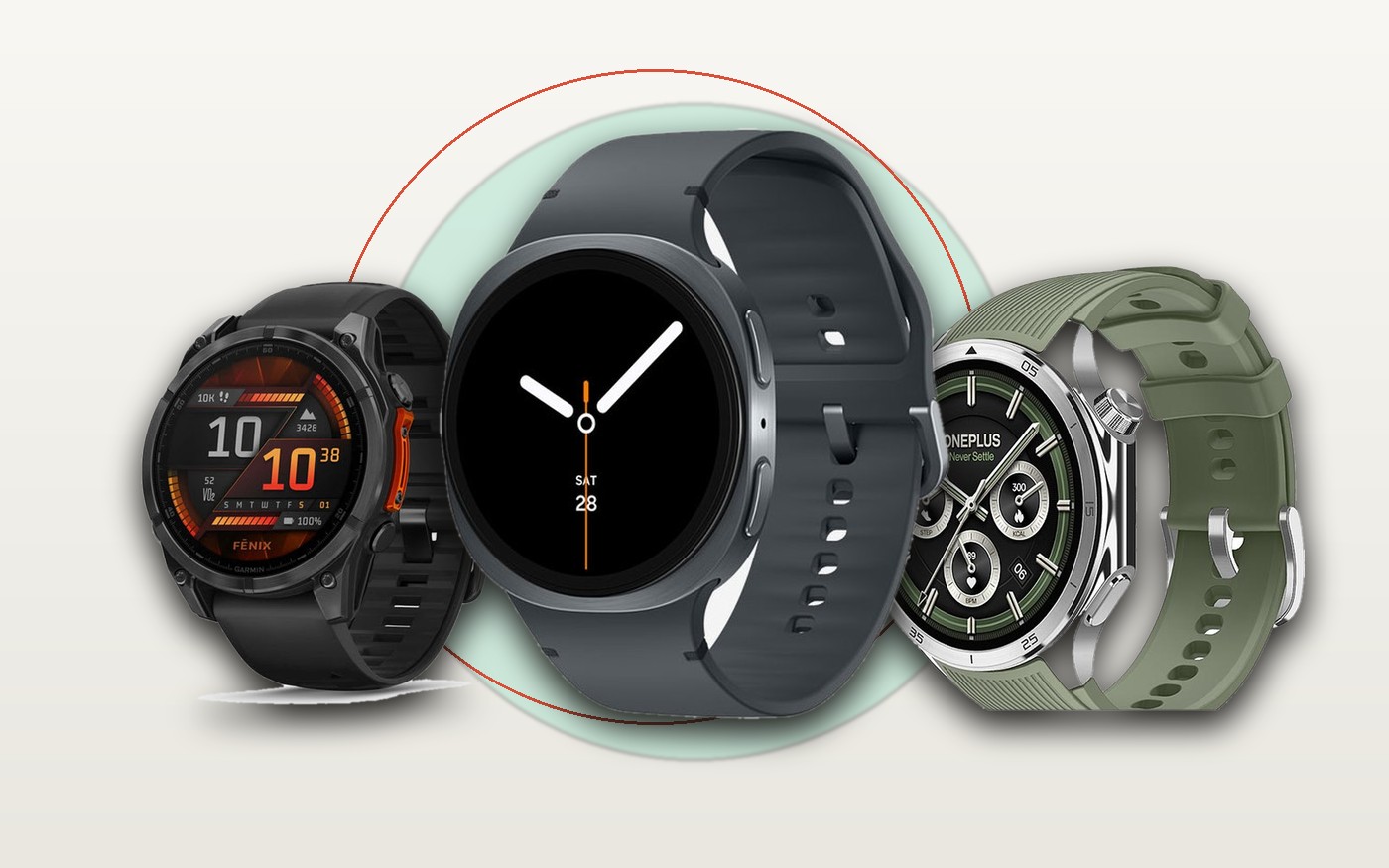
Editor's Note: Fully rebuilt July 2026 with six picks drawn from our twelve individual reviews, refreshed prices, and a new comparison table. The previous edition's four picks all survived re-evaluation; two were re-ranked.
The best smartwatches of 2026 are not interchangeable, and treating them like one ranked list is how people end up with the wrong watch. An iPhone owner cannot buy our Android pick. A trail runner will outgrow our overall pick in a season. So this guide assigns each watch a job, and tells you whose job it is.
The six picks come out of the twelve full-length reviews we published this year, each grounded in measured, cited testing (battery in hours, heart rate against chest straps) rather than spec-sheet recitation. Every pick links to its full review; every claim there links to its source. If you only have a minute, the quick picks below and the comparison table tell most of the story.
Quick Picks
Short on time? Here's where we landed after a year of coverage.
- Best Smartwatch Overall: Apple Watch Series 11 ($399 (42mm) / $429 (46mm)) ↓ Jump to review
- Best smartwatch for Pixel owners: Google Pixel Watch 4 ($349 (41mm) / $399 (45mm)) ↓ Jump to review
- Best Smartwatch for Android: Samsung Galaxy Watch 8 (from $289.99 (40mm)) ↓ Jump to review
- Best battery life in a real smartwatch: OnePlus Watch 3 ($299.99 (46mm) / $249.99 (43mm)) ↓ Jump to review
- Best Garmin for recovering Apple Watch owners: Garmin Venu 4 ($549.99 (41mm or 45mm)) ↓ Jump to review
- Best adventure watch for iPhone loyalists: Apple Watch Ultra 3 ($799 (49mm titanium, GPS + cellular)) ↓ Jump to review
Our Top Pick
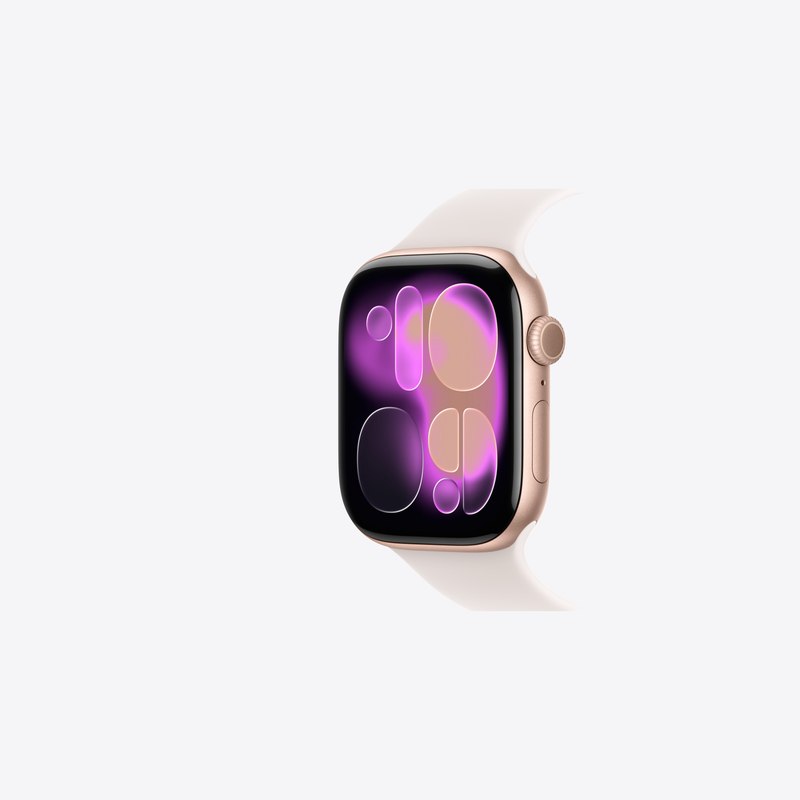
The Apple Watch Series 11 finally killed its own punchline. Independent testing confirms it now runs a full day and a night of sleep tracking with 15 to 20 percent to spare, which was the last real hole in the most complete smartwatch package ever built. FDA-cleared health screening, the deepest app library on any wrist, and a resale market that softens the $399 sting. If you carry an iPhone, the decision tree has one branch.
Jump to review1. Apple Watch Series 11 — Best Overall
Apple Watch Series 11
Best Smartwatch Overall
- Our Rating: 4.8 / 5.0
- Price: $399 (42mm) / $429 (46mm)
- Display: Always-on LTPO3 OLED, up to 2000 nits
- Battery (tested): 24h, day + night of sleep
- Weight: 30 g (42mm aluminum)
- Water resistance: 50 m (WR50)
- GPS: Precision dual-frequency
- Chip: S10 SiP
- Health: ECG, SpO2, sleep apnea, hypertension alerts
- Works with: iPhone only
Pros
- First Apple Watch that reliably covers a full day plus a night of sleep tracking
- Sleep Score turns the raw data into one number that actually tracks how rested you feel
- Display glass is twice as scratch-resistant as the Series 10's
- Hypertension notifications add a genuinely new health signal, cleared by the FDA
Cons
- Still a charge-every-day watch next to Garmin and OnePlus
- If you own a Series 10, almost nothing here justifies the upgrade
- iPhone required, as always
The honest knock first: this is a modest year-over-year update, and Series 10 owners should sit it out. For everyone else the battery change matters more than it sounds. Reviewers at CNN Underscored ended full days with 15 to 20 percent left after overnight sleep tracking, which finally makes the sleep features usable without a lunchtime top-up. If you have an iPhone and $399, this is still the default answer. Android users should read our Galaxy Watch 8 review instead.
2. Google Pixel Watch 4 — Best for Android
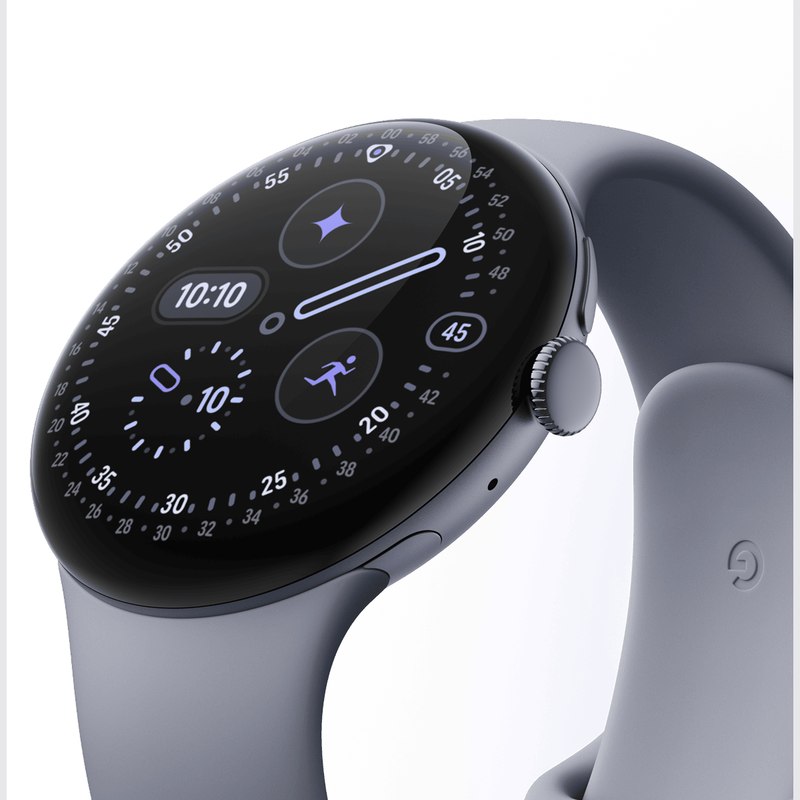
Google Pixel Watch 4
Best smartwatch for Pixel owners
- Our Rating: 4.3 / 5.0
- Price: $349 (41mm) / $399 (45mm)
- Display: Domed Actua 360, 3000 nits
- Battery (tested): 48h+ with AOD (45mm)
- Weight: 36.7 g (45mm, no band)
- Water resistance: 5 ATM
- GPS: Dual-frequency
- Charging: 20→96% in 20 min, side dock
- Software: Wear OS 6.1 with Gemini
- Works with: Android only
Pros
- 45mm model beat its own 40-hour claim in testing: 48+ hours with the screen always on
- New dock charges 20 to 96 percent in 20 minutes
- Dual-band GPS finally tracks with the Garmin class
- The domed display is the prettiest object in Wear OS
Cons
- 41mm model gives up a chunk of that battery headline
- Proprietary side-mount charger makes old Pixel Watch docks e-waste
- Android only, and deepest with a Pixel phone
The knock: buy the 45mm or temper expectations, because the 41mm's smaller cell drops it back into charge-every-other-day territory, and the new side-dock makes every accessory you own obsolete. Get past that and this is the first Pixel Watch without a fatal flaw. Android Central measured over 48 hours with the always-on display, and Outside found its dual-band GPS within 30 meters of a Fenix 8 Pro across four runs. Three generations in, Google built the watch the Pixel always deserved. Samsung loyalists still get more health hardware on the Galaxy Watch 8.
3. Samsung Galaxy Watch 8 — Best Health Screening
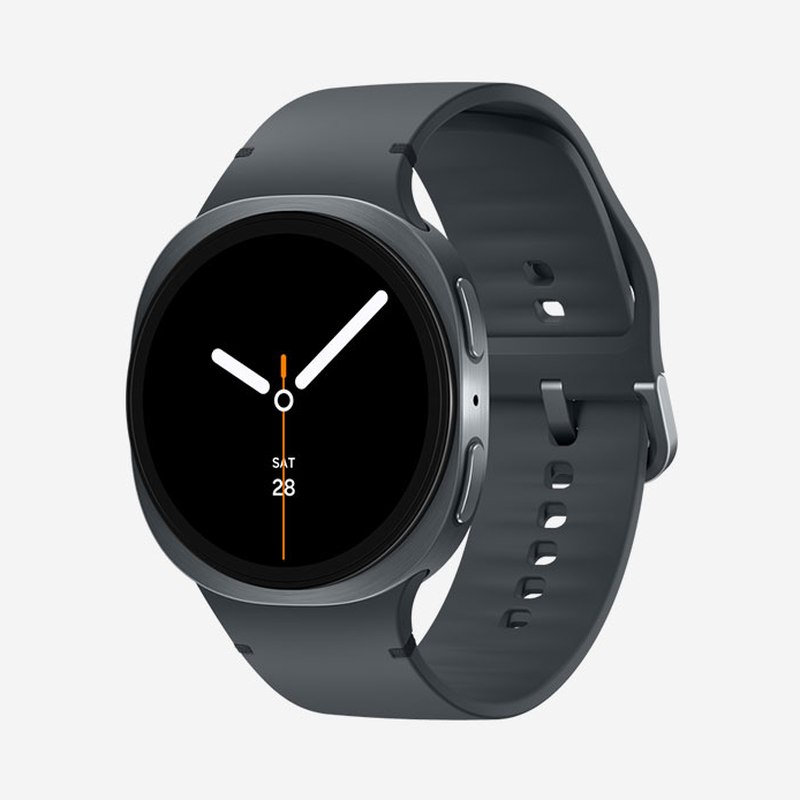
Samsung Galaxy Watch 8
Best Smartwatch for Android
- Our Rating: 4.5 / 5.0
- Price: from $289.99 (40mm)
- Display: 1.34" / 1.47" AMOLED, 3000 nits
- Battery (tested): 24h with AOD; 48h without
- Weight: 30 g (40mm)
- Water resistance: 5 ATM + IP68
- GPS: Dual-frequency
- Chip: Exynos W1000, 2GB RAM
- Health: ECG, BP, sleep apnea, antioxidant index
- Works with: Android (best with Samsung)
Pros
- Exynos W1000 makes this the snappiest Galaxy Watch yet
- FDA-cleared sleep apnea detection on your wrist
- New lug design keeps it flat and snug for overnight wear
- Now starts under $300 after a year on the market
Cons
- A day and change of battery with the always-on display; rivals do four
- Sleep-onset detection called it right only 4 nights out of 7 in testing
- Best health features stay locked to Samsung phones
Battery is the honest dealbreaker: GSMArena measured just over 24 hours with the always-on display, while a OnePlus Watch 3 does four days. If you can live with nightly-ish charging, everything else here is the most polished Wear OS package Samsung has shipped: fast, comfortable enough to sleep in at last, and carrying an FDA-cleared sleep apnea feature nobody else matches at this price. Samsung phone owners get the most; Pixel owners should cross-shop the Pixel Watch 4 before deciding.
4. OnePlus Watch 3 — Best Battery Life
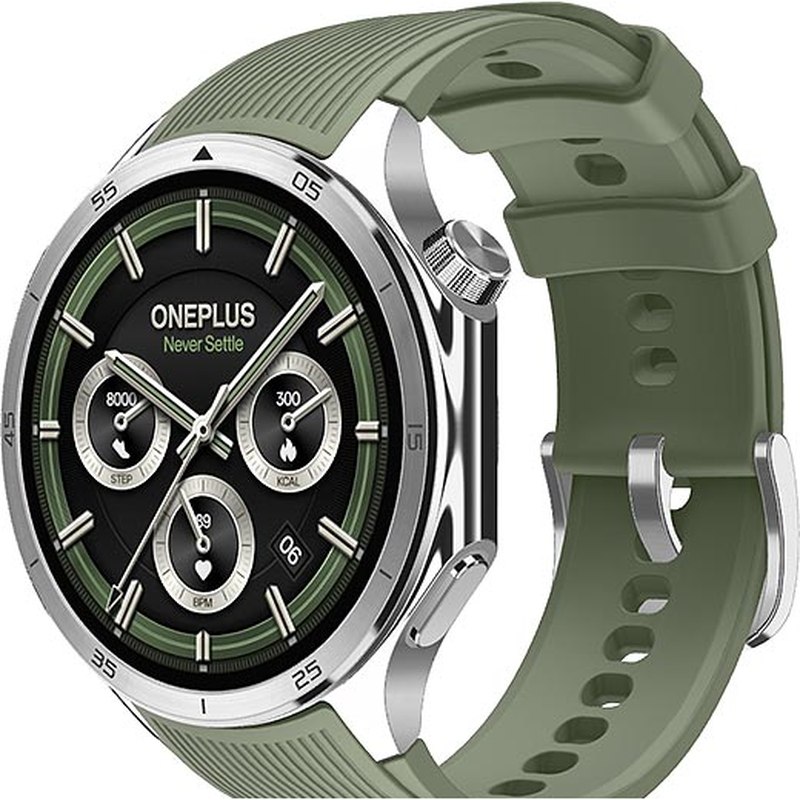
OnePlus Watch 3
Best battery life in a real smartwatch
- Our Rating: 4.0 / 5.0
- Price: $299.99 (46mm) / $249.99 (43mm)
- Display: 1.5" LTPO AMOLED, 2200 nits
- Battery (tested): 4 days heavy use; 16-day saver mode
- Weight: 81 g with strap (46mm)
- Water resistance: 5 ATM + IP68
- GPS: Dual-frequency
- Chips: Snapdragon W5 + BES2800 dual engine
- Software: Wear OS 5 + RTOS
- Works with: Android only
Pros
- Four measured days of heavy use: always-on display, nightly sleep, daily workouts
- Dual-chip design falls back to a 16-day power-saver mode that stays useful
- Rotating crown with the best haptics on any Wear OS watch
- Undercuts Samsung and Google at list price
Cons
- No LTE option in the US: Wi-Fi and Bluetooth only
- 46mm wears big; the 43mm arrived later with a smaller battery
- Health tracking breadth trails Samsung, especially for women's health
- No iPhone support at all
The gaps are real: no US cellular option, thinner health tooling than Samsung, and nothing for iPhone owners. What's left is the watch that solved Wear OS's oldest embarrassment. Android Central's four-week test logged four full days per charge with the always-on display, nightly sleep tracking and daily workouts, numbers no Galaxy Watch 8 or Pixel gets near. Trusted Reviews crowned it the new king of Wear OS. If your phone is Android and your grudge is charging, buy this and stop thinking about it.
5. Garmin Venu 4 — Best for Health Data Without Daily Charging
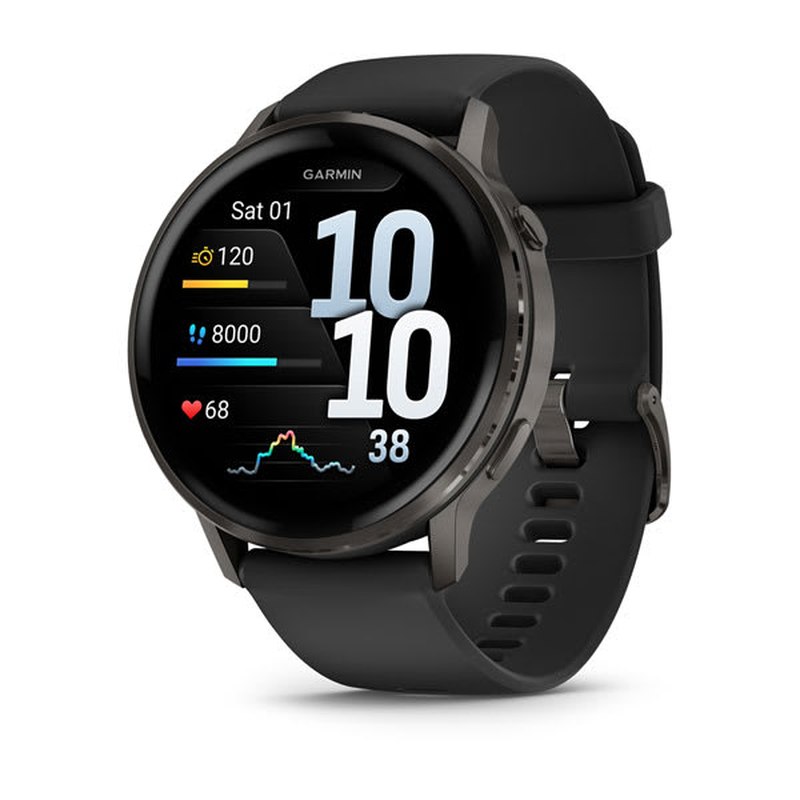
Garmin Venu 4
Best Garmin for recovering Apple Watch owners
- Our Rating: 4.4 / 5.0
- Price: $549.99 (41mm or 45mm)
- Display: AMOLED, 41mm or 45mm
- Battery (tested): 4-5 days with AOD
- Weight: 40 g (41mm)
- Water resistance: 5 ATM
- GPS: Dual-frequency
- HR sensor: Elevate 5 with ECG
- Health: Health Status, 40+ habit logging, Body Battery
- Works with: Android and iPhone
Pros
- Four to five real days of battery with the display always on
- Health Status dashboard flags when five key metrics drift out of your normal range
- Same Elevate 5 sensor and ECG as Garmin's $749 flagship runner
- Flashlight and dual-band GPS trickle down from the Fenix line
Cons
- $549.99 is a full $100 over the Venu 3's launch price
- Battery actually dropped from the Venu 3: brighter screen, hungrier GPS
- Smart features still trail Wear OS: fewer apps, basic assistant
Sticker shock is warranted: $549.99 buys two Pixel Watch 4s on sale, and the Venu 4's app ecosystem can't match Wear OS. What Google can't sell you is a watch that tracks health this deeply for five days straight. TechRadar's testing regularly reached a fifth day with the screen always on, and Tom's Guide called it their favorite Garmin of 2025. The new Health Status feature, watching five baseline metrics for drift, is the closest thing to an early-warning system on any mainstream watch. Apple Watch refugees tired of daily charging: this is the exit.
6. Apple Watch Ultra 3 — Best for Adventure
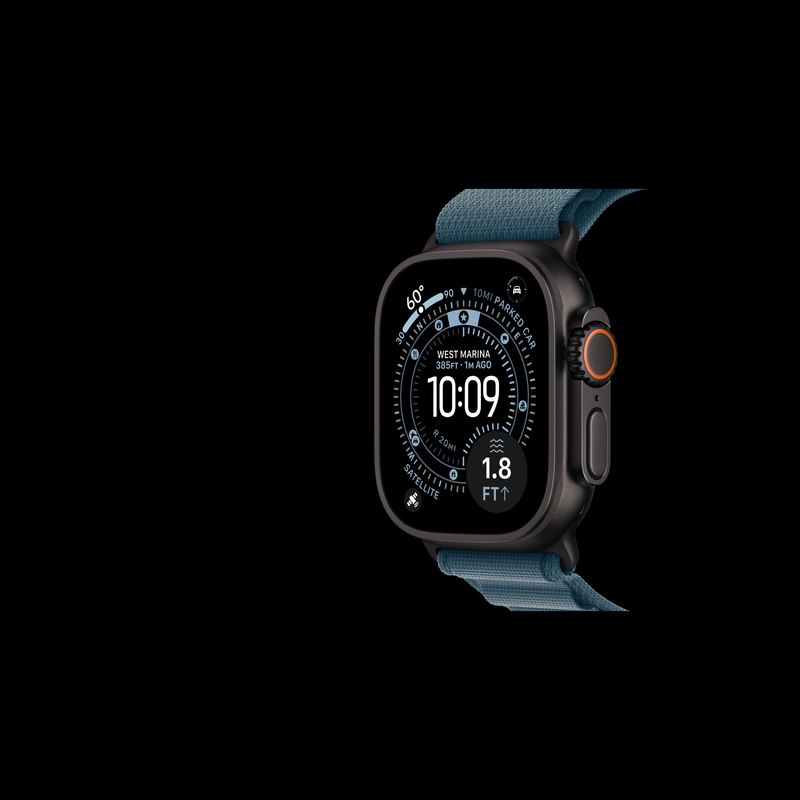
Apple Watch Ultra 3
Best adventure watch for iPhone loyalists
- Our Rating: 4.7 / 5.0
- Price: $799 (49mm titanium, GPS + cellular)
- Display: Wide-angle LTPO3 OLED, 3000 nits
- Battery (tested): 42h rated; ~3 days real-world
- Weight: 61.8 g titanium
- Water resistance: 100 m, EN13319 dive rated
- GPS: Dual-frequency L1 + L5
- Satellite: SOS free; texting needs carrier plan
- Case: 49mm grade-5 titanium
- Works with: iPhone only
Pros
- Nearly three days of real-world battery, a first for Apple
- Satellite SOS works on every unit with no subscription
- Dual-band GPS scored 90% on the5krunner's standardized accuracy test
- Brightest, biggest display Apple has put on a wrist
Cons
- Two-way satellite texting requires an active carrier plan
- $799 buys a Garmin with five times the battery
- 49mm is the only size, and it wears large
Start with the caveat: satellite texting, the headline feature, needs a carrier plan; only the SOS beacon is free on every unit, and coverage is US, Canada and Mexico for now. That said, Macworld measured nearly three full days of real use, and DC Rainmaker's testing found the dual-band GPS finally competitive with dedicated sports watches. If your trips outlast three days, a Garmin Fenix 8 is still the tool. For everyone tethered to an iPhone who wants one watch for the office and the backcountry, this is it.
Compared: The Best Smartwatches of 2026
| Smartwatch | Our Rating | Price | Display | Battery (tested) | Weight | Water resistance | GPS |
|---|---|---|---|---|---|---|---|
| Apple Watch Series 11 | 4.8 / 5 | $399 (42mm) / $429 (46mm) | Always-on LTPO3 OLED, up to 2000 nits | 24h, day + night of sleep | 30 g (42mm aluminum) | 50 m (WR50) | Precision dual-frequency |
| Google Pixel Watch 4 | 4.3 / 5 | $349 (41mm) / $399 (45mm) | Domed Actua 360, 3000 nits | 48h+ with AOD (45mm) | 36.7 g (45mm, no band) | 5 ATM | Dual-frequency |
| Samsung Galaxy Watch 8 | 4.5 / 5 | from $289.99 (40mm) | 1.34" / 1.47" AMOLED, 3000 nits | 24h with AOD; 48h without | 30 g (40mm) | 5 ATM + IP68 | Dual-frequency |
| OnePlus Watch 3 | 4.0 / 5 | $299.99 (46mm) / $249.99 (43mm) | 1.5" LTPO AMOLED, 2200 nits | 4 days heavy use; 16-day saver mode | 81 g with strap (46mm) | 5 ATM + IP68 | Dual-frequency |
| Garmin Venu 4 | 4.4 / 5 | $549.99 (41mm or 45mm) | AMOLED, 41mm or 45mm | 4-5 days with AOD | 40 g (41mm) | 5 ATM | Dual-frequency |
| Apple Watch Ultra 3 | 4.7 / 5 | $799 (49mm titanium, GPS + cellular) | Wide-angle LTPO3 OLED, 3000 nits | 42h rated; ~3 days real-world | 61.8 g titanium | 100 m, EN13319 dive rated | Dual-frequency L1 + L5 |
How We Pick and Test
Every watch here has a full standalone review, and every measured claim in those reviews is cited to named, independent testing: DC Rainmaker and the5krunner for GPS and heart-rate accuracy, GSMArena and Android Central for instrumented battery runs, long-term testers like TechRadar and Treeline Review for durability. Where we haven't yet bench-tested a unit ourselves, the review says so plainly and the sources are one click away.
Ranking weights, in order: accuracy of the health and fitness data (a wrong number is worse than no number), real-world battery as measured rather than claimed, software longevity, and price against the field. We re-check prices monthly and rebuild this guide when the market moves; the editor's note above carries the current revision date.
Who This Guide Is For (and Who Should Skip It)
This guide assumes you want one watch for everything: notifications, workouts, sleep, payments. If that's you, pick by your phone and your patience for charging, and you're done.
Three groups should exit to a specialist list instead. Strict budgets: our budget smartwatches guide covers the under-$250 field, where the value math changes completely. Serious runners: the GPS sport watch guide and our Forerunner 970 review speak your language. And if you mostly want sleep and recovery data with no screen at all, a smart ring does that job with a week of battery.
Smartwatch FAQ
Which smartwatch has the best battery life?
Of true smartwatches, the OnePlus Watch 3: four measured days with everything on. Garmin's Fenix 8 runs 16-plus days but trades away some smartwatch depth for it.
Do Apple Watches work with Android (or vice versa)?
No, and it's the single most important fact in this market. Apple Watches require an iPhone. Wear OS watches (Pixel, Samsung, OnePlus) require Android. Only Garmin and Amazfit play both sides.
Is the Galaxy Watch 8 worth it over the cheaper Watch 7?
At the Watch 7's 2026 street price of $199, honestly, often not; our Galaxy Watch 7 review makes the value case. Pay up for the 8 if overnight comfort and the brighter display matter to you.
How often should I expect to replace a smartwatch?
Three to four years is the realistic software-support window outside Apple and Samsung, who now promise longer. Batteries degrade first; a watch that barely lasted a day new becomes unlivable by year three, which is one more argument for buying battery headroom up front.