Garmin Forerunner 970 Review: Brilliance, Billed
Published: July 7, 2026
We independently test everything we recommend.
Buying through links on our site supports our work.
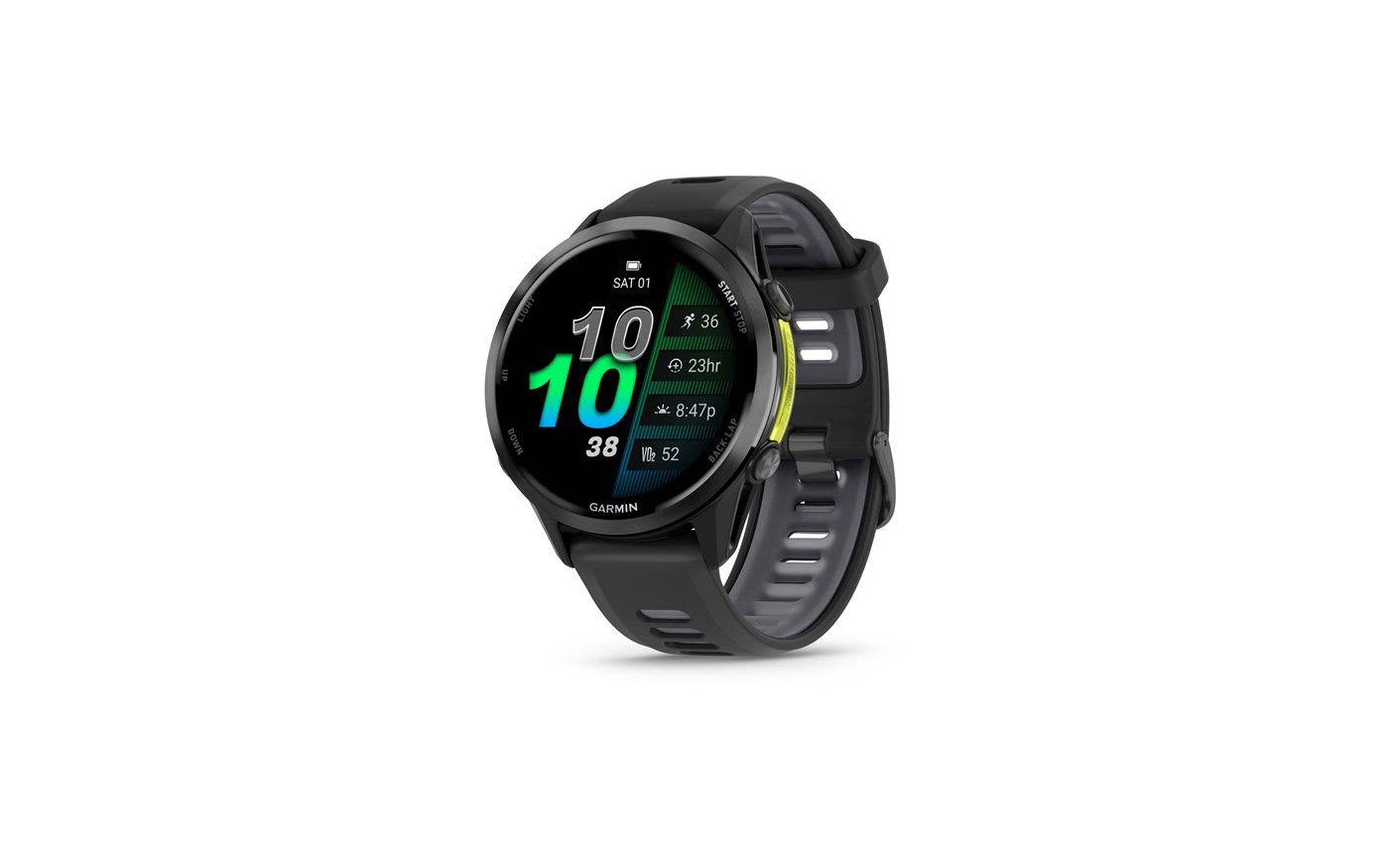
Editor's Note: Prices checked July 2026. The 970 has held its $749.99 list since launch; Garmin discounts Forerunners around Black Friday, rarely before.
The Garmin Forerunner 970 answers a question serious runners have asked for years: what if the wrist sensor were just... right? Garmin's new Elevate 5 sensor, tested against a Polar H10 chest strap by the5krunner, tracked resting heart rate within a single beat per minute and held nearly perfect through workouts. For a wrist optical sensor, that used to be science fiction.
It costs $749.99, which is a lot, and we're not going to pretend otherwise. This review weighs what that money buys, drawing on DC Rainmaker's in-depth review, TechRadar's nine months of daily testing and the5krunner's accuracy work. Spoiler: the hardware justifies it; whether you do is the real question.
Garmin Forerunner 970 — Quick Specs
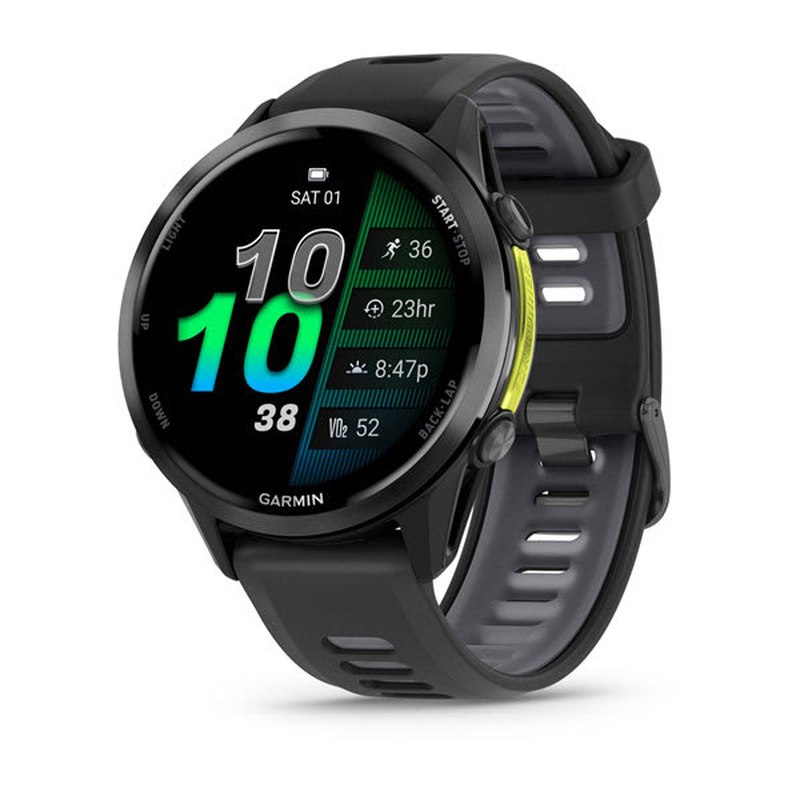
Garmin Forerunner 970
Best pure running watch money can buy
- Our Rating: 4.6 / 5.0
- Price: $749.99
- Display: 1.4" AMOLED, sapphire lens
- Battery (tested): 4-5 days AOD; ~21h multiband GPS
- Weight: 56 g
- Water resistance: 5 ATM
- GPS: Multiband with SatIQ
- HR sensor: Elevate 5 with ECG
- Extras: Flashlight, speaker/mic, maps
- Works with: Android and iPhone
Pros
- Elevate 5 heart-rate sensor matched a Polar H10 chest strap within 1 bpm at rest
- GPS accuracy testers consistently call industry-leading
- Running Tolerance and impact-load metrics no other brand offers
- Flashlight, ECG, and a speaker for calls round out the Fenix features
Cons
- $749.99 is a $150 jump over the Forerunner 965's launch price
- AMOLED brightness costs battery: 4-5 days real use, not the MIP-era two weeks
- Titanium bezel, but the case is still fiber-reinforced polymer
Price is the flinch: $749.99 for a running watch, and DC Rainmaker's review title ('Brilliance at a Cost') captures both halves of the deal. What you get for it is the most complete running instrument ever strapped to a wrist: heart rate that matched a chest strap within a beat at rest, GPS that every tester ranks first in class, and training analytics nobody else ships. TechRadar's nine-month test settled into charging every four to five days. If that's overkill, the Venu 4 keeps the health suite for $200 less. Marathoners: stop deliberating.
Accuracy: The New Benchmark
Two sensors define a running watch, and the 970 leads on both.
GPS first. With multiband enabled and Garmin's SatIQ deciding when to use it, every major tester ranked the 970's track quality at the top of the class. DC Rainmaker's lone complaint across months of testing was minor wobble in open-water swim tracks, a discipline that humbles every watch.
Heart rate is the bigger leap. Elevate 5 doesn't just improve on Garmin's spotty optical history; it matched a chest strap closely enough that the5krunner questioned whether a strap is still necessary for steady training. Intervals remain the honest exception; a strap still wins the sharpest transitions. The sensor also unlocks ECG readings, cleared for on-demand rhythm checks.
If your current watch is the reason your easy runs log at threshold heart rate, this is the fix.
Training Tools You Can't Get Elsewhere
The 970 debuts Running Tolerance, which models how much weekly mileage your body can absorb before injury risk climbs, factoring impact load rather than raw distance. Pair it with the existing training readiness, hill and endurance scores, and Garmin's ecosystem starts to feel less like a logbook and more like a cautious coach.
You also get the practical stuff that trickled down from the Fenix 8: an LED flashlight runners actually use more than any health sensor, full onboard maps, a speaker and mic for calls from the wrist, and Garmin Pay. Battery is the trade: TechRadar's long-term unit needed the charger every four to five days with the AMOLED display always on and daily runs, respectable, but the old MIP-display Forerunners went two weeks. Multiband GPS recording runs 20 to 24 hours, enough for any race short of a multi-day ultra.
Who Should Actually Spend $749?
Runners logging structured weeks toward races: yes. The accuracy floor and injury-modeling ceiling are genuinely unmatched, and you'll use what you paid for.
Everyone else has cheaper exits. The Venu 4 carries the same Elevate 5 sensor and health suite for $549 in a lifestyle package. The Pixel Watch 4 now matches GPS accuracy for casual mileage at half the price. And trail-first athletes eyeing 100-milers should read our Fenix 8 review, where the battery math changes completely.
The 970 rates 4.6: docked for price and the battery step-down from its MIP ancestors, held aloft by sensors that redefine what a wrist can measure.
Where This Review's Data Comes From
Heart-rate and GPS accuracy: the5krunner's instrumented testing and DC Rainmaker's in-depth review. Long-term battery and durability: TechRadar's nine-month review. Specs and pricing: Garmin.com, July 2026. Our own test unit is on the wishlist; cited figures stand until then.