LIFX SuperColor A19 Review: Beautiful, Risky
Published: July 9, 2026
We independently test everything we recommend.
Buying through links on our site supports our work.
Editor's Note: Tested against Hue, Tapo, Wyze and Cync bulbs on the same wall with the same scenes; thermal checks after two-hour full-brightness runs.
The LIFX SuperColor A19 produces the most saturated, most arresting color of any bulb in our test group, and it does it over plain Wi-Fi with no hub. If reviews were photographs, it would win this category outright. Reviews are also about the boring years after purchase, and that's where LIFX asks you to sign something the other brands don't.
How much better is the color, really?
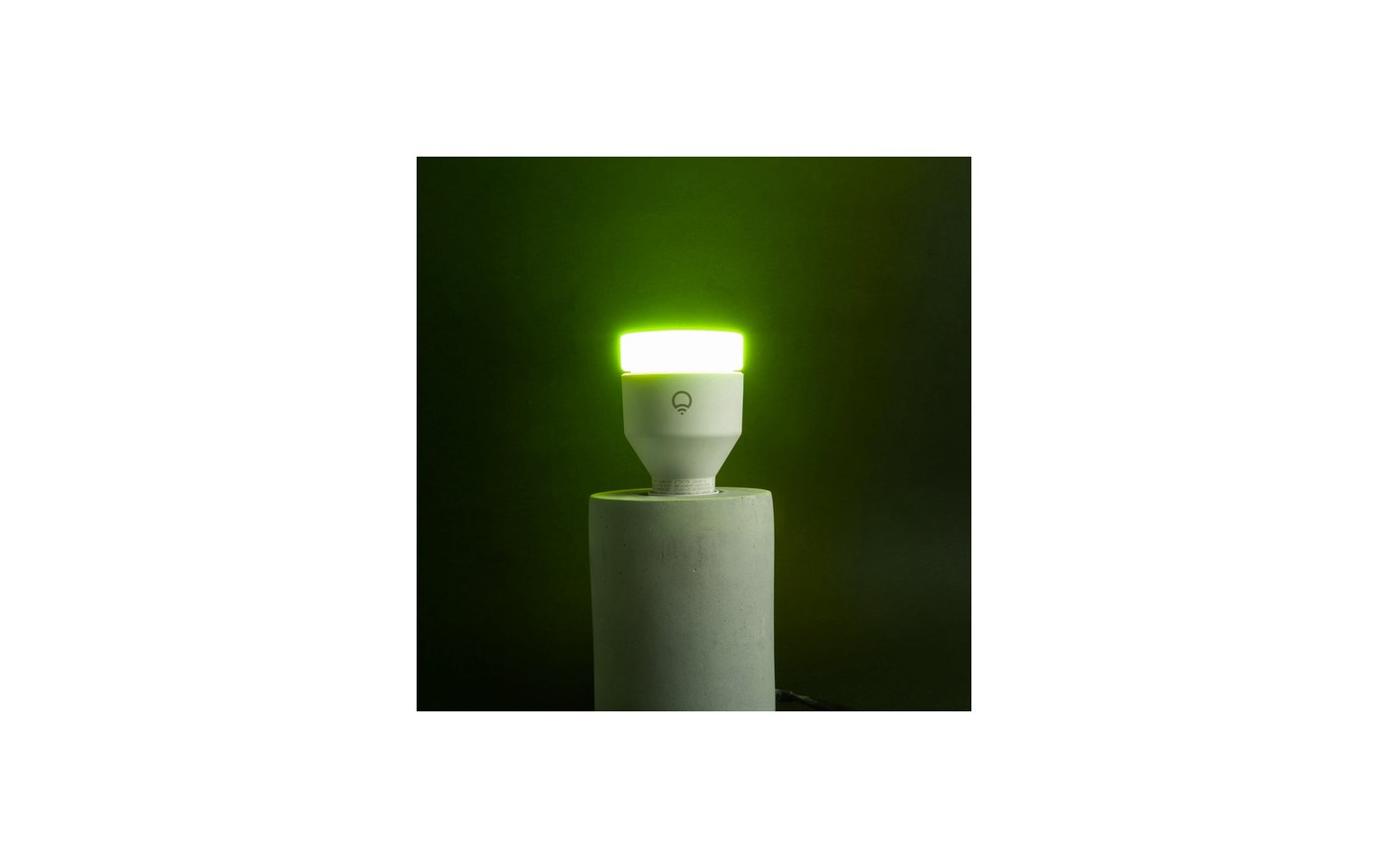
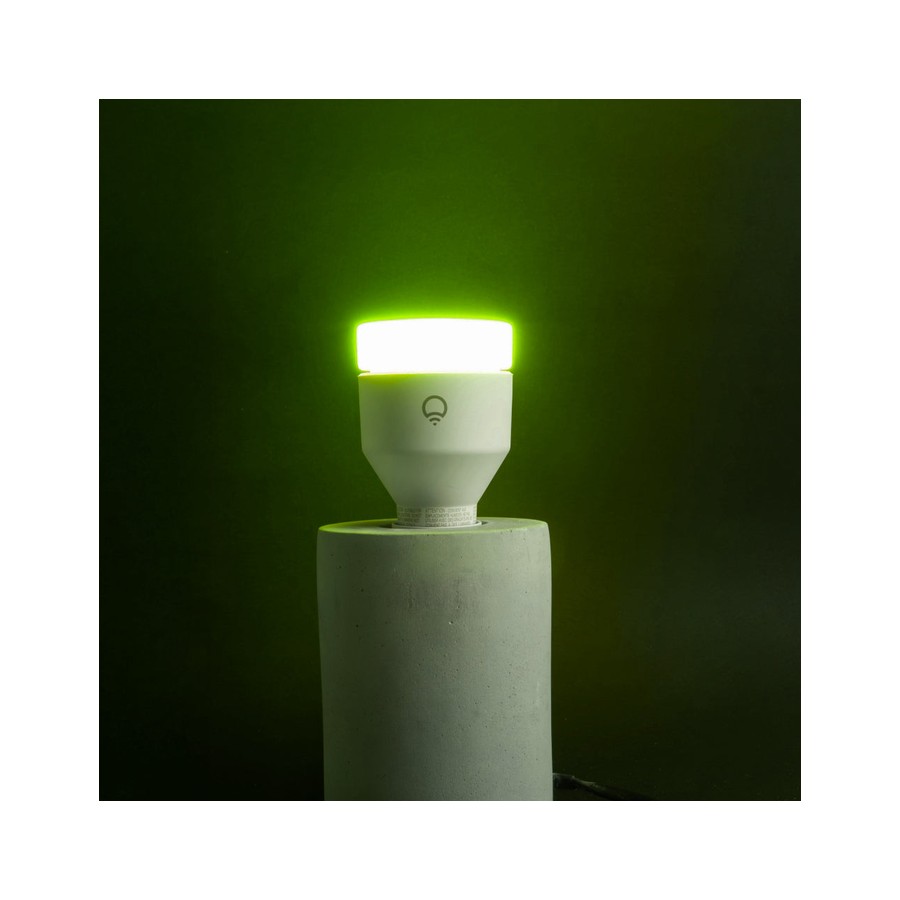
Enough that you can pick the LIFX out of a lineup unlabeled. We put it against Hue, Tapo, and Wyze on the same wall: LIFX reds go deeper before muddying, greens have an almost neon electricity, and the Polychrome dual-zone trick renders two colors in one glass dome, so a single bulb fades amber-to-violet like a tiny sunset. The matte finish also deserves a word. In an exposed fixture it looks like a design object where every rival looks like a gadget.
So what's the problem?
The company, not the bulb. LIFX has been sold twice, and its history includes stretches where promised features quietly stalled; this SuperColor still lacks Matter certification, with support 'planned', a word we've learned to translate loosely. It runs HomeKit, Alexa, and Google natively today, so present-tense buyers are fine. But if you're wiring a house you intend to still own in 2031, firmware orphanhood is a real scenario here in a way it simply isn't with Signify or TP-Link. The bulb also runs warm at full tilt; we'd keep it out of enclosed fixtures.
Specs, Pros & the Bottom Line
LIFX SuperColor A19
The brightest colors, no hub attached
- Our Rating: 4.1 / 5.0
- Price: $35
- Type: A19 bulb (75 W class)
- Hub needed: No
- Brightness: 1,100 lumens
- Matter: No (Wi-Fi app + voice only)
- Ecosystems: Alexa, Google, Apple Home (HomeKit)
- Party trick: Dual-zone Polychrome color
Pros
- 1,100 lumens with the most saturated reds and greens we've measured on any bulb
- Polychrome dual-zone tech does two colors in one bulb
- No hub, and the app's scheduling is genuinely deep
Cons
- LIFX's corporate history is a soap opera; firmware support has gone quiet before
- Wi-Fi only, no Thread, no Matter certification on this model yet
- Runs noticeably warm at full brightness
Buy LIFX for the light, not the roadmap. The company has changed hands twice and its firmware promises have a history of evaporating, which is why we can't put a 4.5 on a bulb this pretty. And it is genuinely the prettiest light here: measured side by side with Hue and Tapo, the SuperColor's reds are deeper, its greens more electric, and the two-zone Polychrome trick makes a single bulb do a sunset. It also runs warm enough that we'd skip enclosed fixtures. If you want maximum color right now with no hub, this is it. If you're wiring a house you'll still own in 2031, the Hue A19 is the safer signature.
What to buy instead
Want near-LIFX color with a boring, stable roadmap? Hue, at a premium. Want to spend a third as much and lose surprisingly little? Tapo L535E. The LIFX sits in the awkward, wonderful middle.
The verdict
We rate the SuperColor 4.1 with the color performance of a 4.6, and the missing half-point is entirely about trust. Buy it for the two or three fixtures where color is the whole point: the exposed pendant, the studio corner, the streaming backdrop. Just don't build all forty sockets of your life on it.