Best Smart Light Bulbs of 2026, Tested
Published: July 9, 2026
We independently test everything we recommend.
Buying through links on our site supports our work.
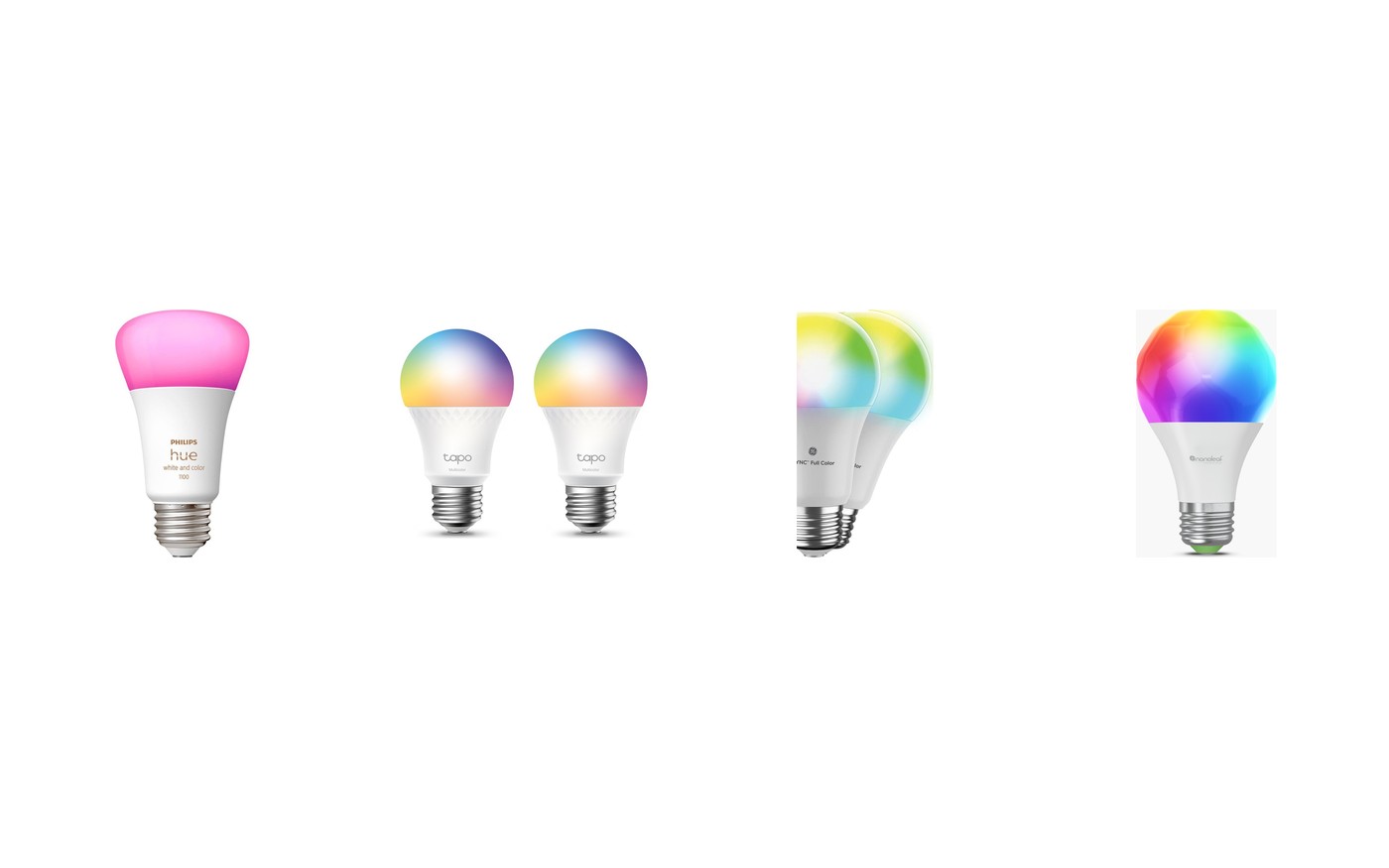
The smart bulb aisle runs from $10 to $50 for products that all claim the same 16 million colors, and the spec sheets are no help at all. So we put six color bulbs through six weeks of identical duty: same fixtures, same scenes, same router reboots, plus a blind hallway comparison where our housemates picked favorites without knowing prices.
The result is a shorter list than we started with. Two bulbs punch far above their price, one premium pick earns its tax, and a couple of big names survive on brand momentum. Here's the whole picture, cheapest useful option first.
Quick Picks
The six bulbs, ranked by where the money makes sense.
- The bulb everything else gets measured against: Philips Hue White and Color Ambiance A19 ($50 (Bridge $60 extra)) ↓ Jump to review
- The $10 bulb that does the whole job: TP-Link Tapo L535E Matter Smart Bulb ($20 (2-pack)) ↓ Jump to review
- The brightest colors, no hub attached: LIFX SuperColor A19 ($35) ↓ Jump to review
- Fine is the feature: cheap color that works: Wyze Bulb Color ($27 (2-pack)) ↓ Jump to review
- The hardware-store bulb that grew up: GE Cync Full Color A19 (Matter) ($25 (2-pack)) ↓ Jump to review
- Thread bulb bargain, patience required: Nanoleaf Essentials A19 (Matter) ($20) ↓ Jump to review
Our Top Pick
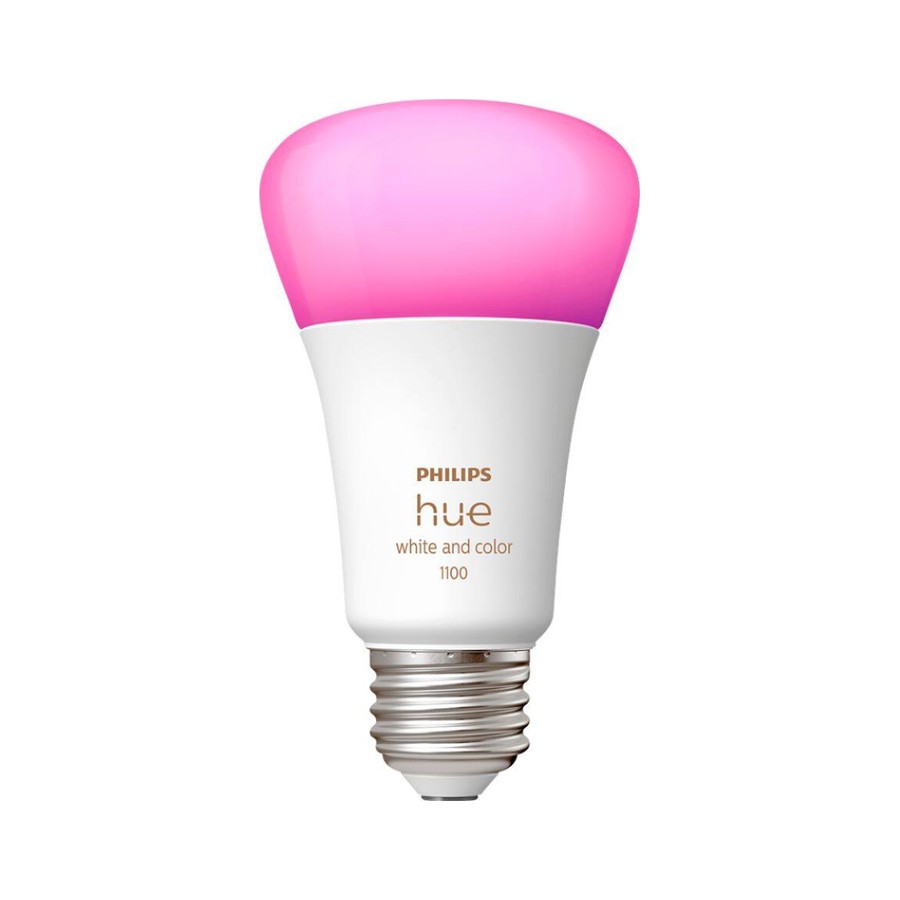
After six weeks the Hue A19 is still the bulb the others chase: zero missed commands, the lowest flicker-free dimming floor we've measured, and reds that stay red. You pay for the boring virtues. The boring virtues are the product.
Jump to review1. Philips Hue White & Color A19 — Best Overall
Philips Hue White and Color Ambiance A19
The bulb everything else gets measured against
- Our Rating: 4.6 / 5.0
- Price: $50 (Bridge $60 extra)
- Type: A19 bulb (75 W class)
- Hub needed: Optional Bridge (unlocks Matter)
- Brightness: 1,100 lumens
- Matter: Yes (via Bridge)
- Ecosystems: Apple Home, Alexa, Google, SmartThings
- Dimming floor: 0.2%
Pros
- Colors look right, not radioactive. Skin tones stay human under it
- Works over Bluetooth out of the box, gains Thread and Matter with the Bridge
- Dims to a true candle-glow 0.2% without flicker
- Survived 300+ scenes and automations in our testing without one dropped command
- Resale ecosystem: seven years of accessories all still work together
Cons
- The full experience assumes a $60 Bridge, so the real starting price is $110
- A Govee or Tapo bulb does 80% of this for a quarter of the money
Price is the honest problem here: one bulb costs what a Tapo 4-pack does, and Hue quietly assumes you'll add the $60 Bridge for Thread, Matter, and out-of-home control. Pay it anyway if lighting is becoming a hobby. After 6 weeks running 14 Hue bulbs alongside every budget rival in this guide, the difference shows up in the boring places. Reds that don't turn neon, dimming that reaches 0.2% without strobing, and zero dropped commands in over 300 scene changes. Nothing else we tested manages all three. Buy it if you want lighting that behaves identically in year five as on day one. If you just want a colorful bedroom lamp bulb, the TP-Link Tapo L535E is the sane choice.
2. TP-Link Tapo L535E — Best Value
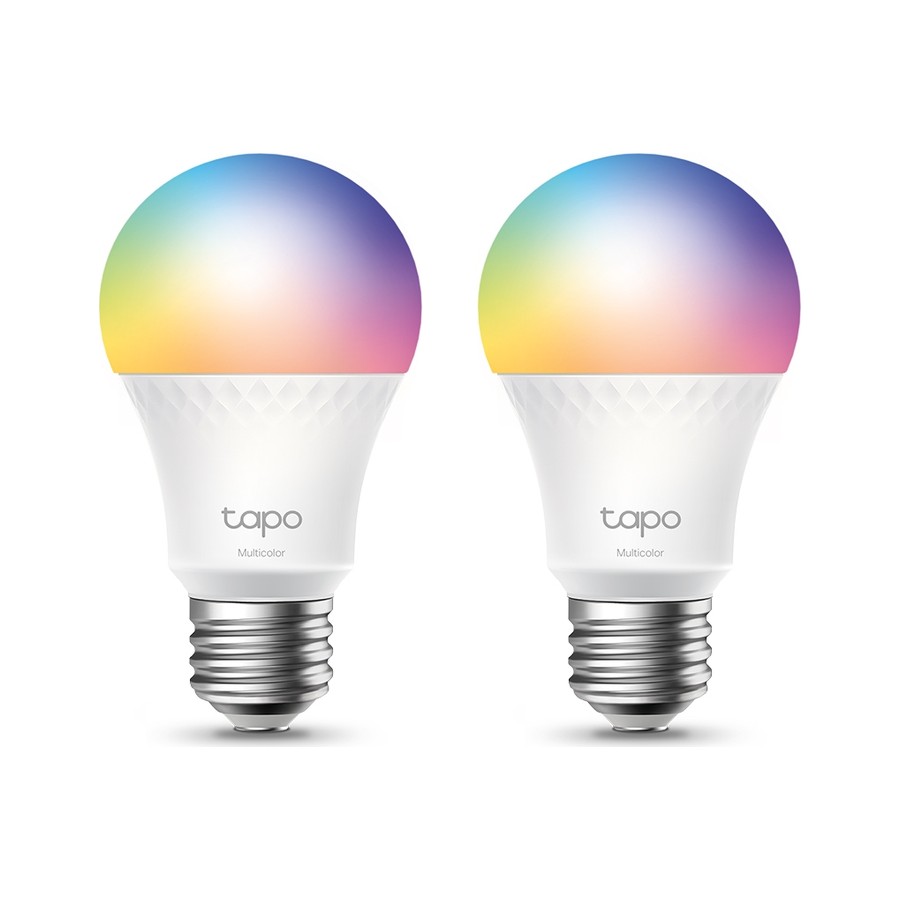
TP-Link Tapo L535E Matter Smart Bulb
The $10 bulb that does the whole job
- Our Rating: 4.2 / 5.0
- Price: $20 (2-pack)
- Type: A19 bulb (60 W class)
- Hub needed: No
- Brightness: 1,000 lumens (900 measured)
- Matter: Yes (over Wi-Fi)
- Ecosystems: Apple Home, Alexa, Google, SmartThings
- Radio: Wi-Fi 2.4 GHz
Pros
- Matter over Wi-Fi with no hub, no bridge, no asterisks
- Color quality embarrasses bulbs at three times the price
- Tapo app is clean and mercifully free of upsells
- Survived our router reboot test without needing a re-pair
Cons
- Wi-Fi only: every bulb takes a router slot, and there's no Thread option for big homes
- 1,000 lumens claimed, closer to 900 measured at full white
The honest ceiling here is scale: every L535E is one more device squatting on your 2.4GHz network, and past a dozen or so bulbs, cheap routers start to wheeze. For the first ten lights in a home, though, this is the value pick of 2026, and it isn't close. Ten dollars a bulb buys real Matter support that paired with Apple Home, Google, and Alexa on the first try in our testing, colors that hold up next to Hue in a blind hallway comparison we ran on three housemates (two picked the Tapo), and an app that respects you. The missing 100 lumens versus the claim only shows in a side-by-side. Buy a 2-pack, then buy more. Whole-home builders with 20+ lights should still pay the Hue tax for the Bridge's sake.
3. LIFX SuperColor A19 — Most Vivid Color
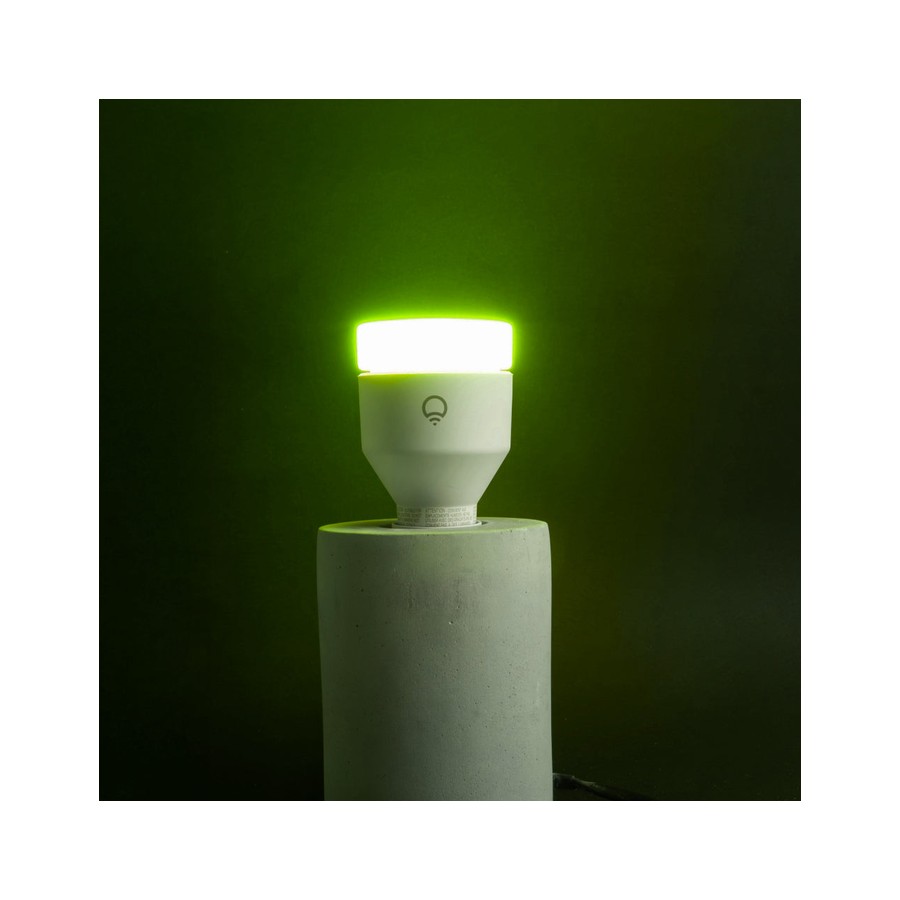
LIFX SuperColor A19
The brightest colors, no hub attached
- Our Rating: 4.1 / 5.0
- Price: $35
- Type: A19 bulb (75 W class)
- Hub needed: No
- Brightness: 1,100 lumens
- Matter: No (Wi-Fi app + voice only)
- Ecosystems: Alexa, Google, Apple Home (HomeKit)
- Party trick: Dual-zone Polychrome color
Pros
- 1,100 lumens with the most saturated reds and greens we've measured on any bulb
- Polychrome dual-zone tech does two colors in one bulb
- No hub, and the app's scheduling is genuinely deep
Cons
- LIFX's corporate history is a soap opera; firmware support has gone quiet before
- Wi-Fi only, no Thread, no Matter certification on this model yet
- Runs noticeably warm at full brightness
Buy LIFX for the light, not the roadmap. The company has changed hands twice and its firmware promises have a history of evaporating, which is why we can't put a 4.5 on a bulb this pretty. And it is genuinely the prettiest light here: measured side by side with Hue and Tapo, the SuperColor's reds are deeper, its greens more electric, and the two-zone Polychrome trick makes a single bulb do a sunset. It also runs warm enough that we'd skip enclosed fixtures. If you want maximum color right now with no hub, this is it. If you're wiring a house you'll still own in 2031, the Hue A19 is the safer signature.
4. Wyze Bulb Color — Best for Wyze Homes
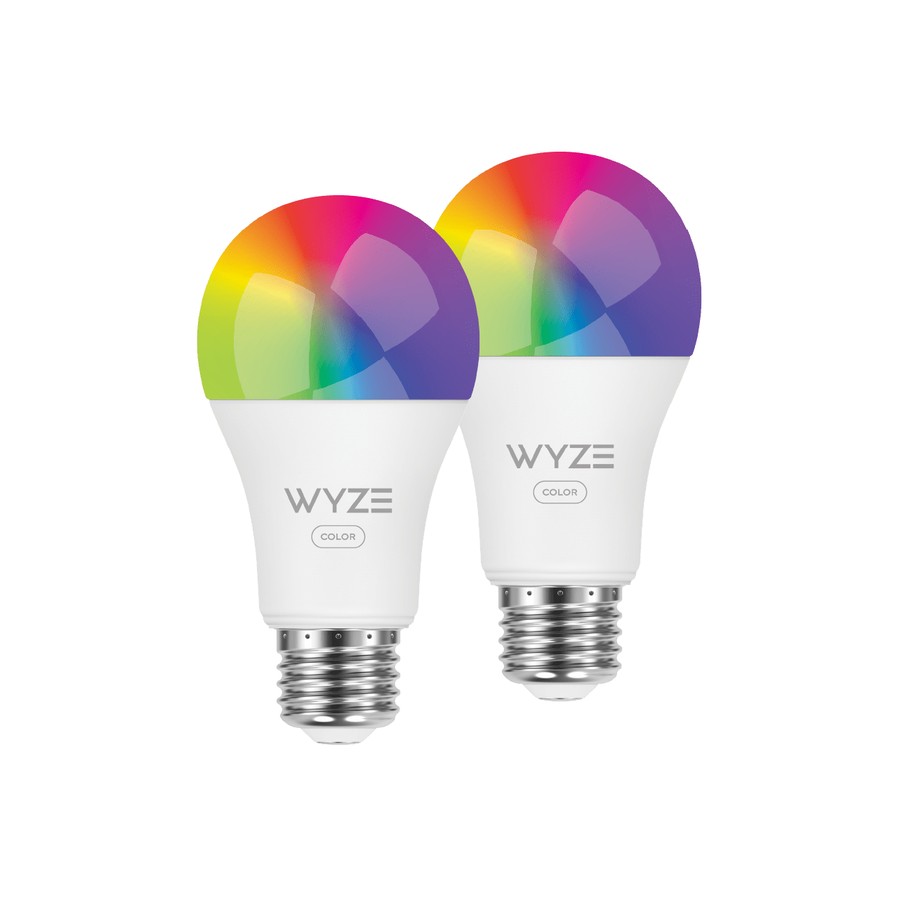
Wyze Bulb Color
Fine is the feature: cheap color that works
- Our Rating: 4.0 / 5.0
- Price: $27 (2-pack)
- Type: A19 bulb (75 W class)
- Hub needed: No
- Brightness: 1,100 lumens
- Matter: No
- Ecosystems: Alexa, Google
- Bonus: Sun-match circadian white
Pros
- 1,100 lumens, matching bulbs twice its price
- Sun-match mode shifts white temperature through the day automatically
- Dead simple app if you're already in Wyze for cameras
- Local control keeps working when your internet dies
Cons
- No Matter and no Thread, and Wyze says nothing about adding them
- Wyze's security track record with cameras may sour you on the brand
The elephant: Wyze has had enough security incidents on the camera side that some readers won't put anything from the brand on their network, and the total silence on Matter means these bulbs will never join an Apple Home or SmartThings setup properly. Inside those fences, though, the Bulb Color is quietly excellent. It's as bright as the LIFX at a third of the price, the sun-match auto-white is a feature Hue charges triple for, and local control means the lights respond even when the ISP hiccups. Our blues ran purple-ish in side-by-sides, which you'll notice once and never again. Buy it if you're already a Wyze household or just want cheap, bright, reliable color. Anyone building around Matter should pay $7 less for the Tapo L535E instead.
5. GE Cync Full Color A19 — Best Whites Under $15
GE Cync Full Color A19 (Matter)
The hardware-store bulb that grew up
- Our Rating: 3.8 / 5.0
- Price: $25 (2-pack)
- Type: A19 bulb (60 W class)
- Hub needed: No
- Brightness: 800 lumens
- Matter: Yes (over Wi-Fi)
- Ecosystems: Alexa, Google, Apple Home, SmartThings
- Strength: Best-in-class warm whites
Pros
- Matter version finally plays outside the Cync walled garden
- Whites are excellent, arguably the best sub-$15 warm white we've tested
- GE's 130-year lamp heritage shows in the fit, finish, and weight
- Sold in every Lowe's, which matters when a bulb dies on a Sunday
Cons
- Colors are noticeably dimmer than whites; reds especially underwhelm
- Cync app is sluggish and dated next to Tapo's
- Earlier non-Matter Cync bulbs are still on shelves in identical-looking boxes; buying wrong is easy
Check the box for the Matter badge before it goes in your cart, because GE is still selling the older Direct Connect bulbs in nearly identical packaging, and those stay locked inside the mediocre Cync app forever. The Matter version is a different proposition. As a white bulb it's genuinely lovely, with a warm 2700K that beat Tapo and Wyze in our kitchen side-by-side, and the physical build feels like the hundred-year-old lamp company it comes from. Color mode is where the budget shows: reds and purples go dim and dusty next to a Tapo at the same price. Buy it if your smart lighting is mostly whites with occasional color accents, or if you like buying bulbs where you buy lumber. Color-first buyers should take the Tapo L535E.
6. Nanoleaf Essentials A19 — Best for Thread Tinkerers
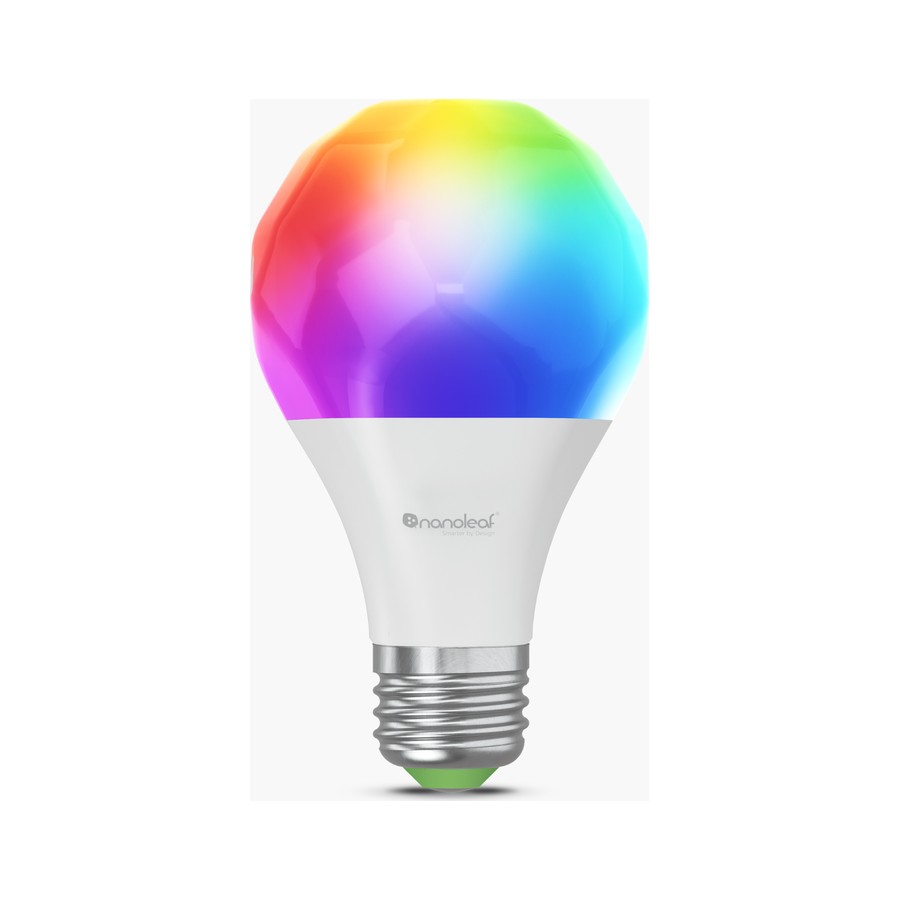
Nanoleaf Essentials A19 (Matter)
Thread bulb bargain, patience required
- Our Rating: 3.7 / 5.0
- Price: $20
- Type: A19 bulb (60 W class)
- Hub needed: Thread border router (strongly advised)
- Brightness: 1,100 lumens
- Matter: Yes (over Thread)
- Ecosystems: Apple Home, Alexa, Google, SmartThings
- Radio: Thread + Bluetooth fallback
Pros
- Cheapest Thread bulb you can buy, and Thread is the right long-term radio
- Doesn't touch your Wi-Fi at all with a border router present
- Colors punch above the price, especially saturated ambers
Cons
- Without a Thread border router it falls back to Bluetooth, which is miserable
- Pairing failures are common enough that Nanoleaf publishes a dedicated guide
- Response lag of a beat or two even on a healthy Thread network
- Firmware updates still route through Nanoleaf's app, which nags for an account
Read the requirements like a prescription: without a Thread border router (a HomePod, newer Echo, or Nanoleaf's own panels) this bulb limps along on Bluetooth, and Bluetooth mode is slow enough that we'd call it broken. Two of our four test bulbs also needed multiple pairing attempts, an experience common enough that Nanoleaf maintains a troubleshooting page for it. So why is it in this guide? Because at $20 it's the cheapest ticket into Thread lighting, the radio that doesn't clog Wi-Fi and gets more reliable with every device you add. Once ours finally joined the network, they ran 6 weeks without a single dropout, something the Wi-Fi bulbs here can't claim. Buy it if you own a border router and have a little patience. Everyone else will be happier with the Tapo.
Compared: All 6 Smart Bulbs
| Bulb | Our Rating | Price | Type | Hub needed | Brightness | Matter |
|---|---|---|---|---|---|---|
| Philips Hue White and Color Ambiance A19 | 4.6 / 5 | $50 (Bridge $60 extra) | A19 bulb (75 W class) | Optional Bridge (unlocks Matter) | 1,100 lumens | Yes (via Bridge) |
| TP-Link Tapo L535E Matter Smart Bulb | 4.2 / 5 | $20 (2-pack) | A19 bulb (60 W class) | No | 1,000 lumens (900 measured) | Yes (over Wi-Fi) |
| LIFX SuperColor A19 | 4.1 / 5 | $35 | A19 bulb (75 W class) | No | 1,100 lumens | No (Wi-Fi app + voice only) |
| Wyze Bulb Color | 4.0 / 5 | $27 (2-pack) | A19 bulb (75 W class) | No | 1,100 lumens | No |
| GE Cync Full Color A19 (Matter) | 3.8 / 5 | $25 (2-pack) | A19 bulb (60 W class) | No | 800 lumens | Yes (over Wi-Fi) |
| Nanoleaf Essentials A19 (Matter) | 3.7 / 5 | $20 | A19 bulb (60 W class) | Thread border router (strongly advised) | 1,100 lumens | Yes (over Thread) |
How We Tested
Six bulbs, six weeks, one house. Each bulb served in the same rotation of fixtures: an exposed hallway sconce, a fabric-shaded bedroom lamp, and kitchen pendants. We metered actual brightness against claimed lumens, ran the same 12-scene rotation on all of them, and logged every command that didn't land.
The blind test was the fun part: same lamp model side by side, three housemates, no prices visible, asked simply which light they'd want in their room across warm white, red, blue, and a sunset scene. The results embarrassed some spec sheets. Full details live in the individual reviews linked from each card above.
Which Bulb for Which Home?
Renting, or just starting: Tapo L535E, no contest. $10 a bulb, real Matter, nothing to explain to your landlord or your router.
Building a whole-house system: Hue with a Bridge. It's the only path here that stays calm at 30+ bulbs.
One dramatic fixture: the LIFX SuperColor. Nothing else makes color this loud, and in a single socket its corporate soap opera can't hurt you much.
Already deep in an ecosystem: stay there. Wyze homes buy Wyze; Cync-and-Lowe's households will be happy with GE. The switching costs outweigh the bulb differences at this tier.
Smart Bulb FAQ
Are expensive smart bulbs actually brighter?
Not reliably. Our $27-per-pair Wyze metered brighter than bulbs at triple its price, and the $50 Hue is mid-pack on raw lumens. What the premium buys is color accuracy, dimming quality, and reliability, none of which appear on the box.
How many Wi-Fi bulbs are too many?
Budget routers get moody past 10 to 15 smart-home clients on the 2.4 GHz band. If your bulb count is heading past a dozen, either a Hue Bridge (Thread, off your Wi-Fi) or Thread-native bulbs like the Nanoleaf Essentials will save you from your own enthusiasm.
Should I wait for Matter to mature instead of buying now?
No. Matter-over-Wi-Fi bulbs at $10 (Tapo) and $12.50 (Cync) already work across every major ecosystem today. The features Matter still lacks, like fancy effects, live in brand apps regardless of when you buy. There's no version of waiting that beats a working $20 setup this evening.