Apple Watch Ultra 3 Review: Off-Grid, With Caveats
Published: July 7, 2026
We independently test everything we recommend.
Buying through links on our site supports our work.
Editor's Note: Prices checked July 2026. Prime Day cut the Ultra 3 by $150 in late June; historically its discounts cluster around Apple's September event.
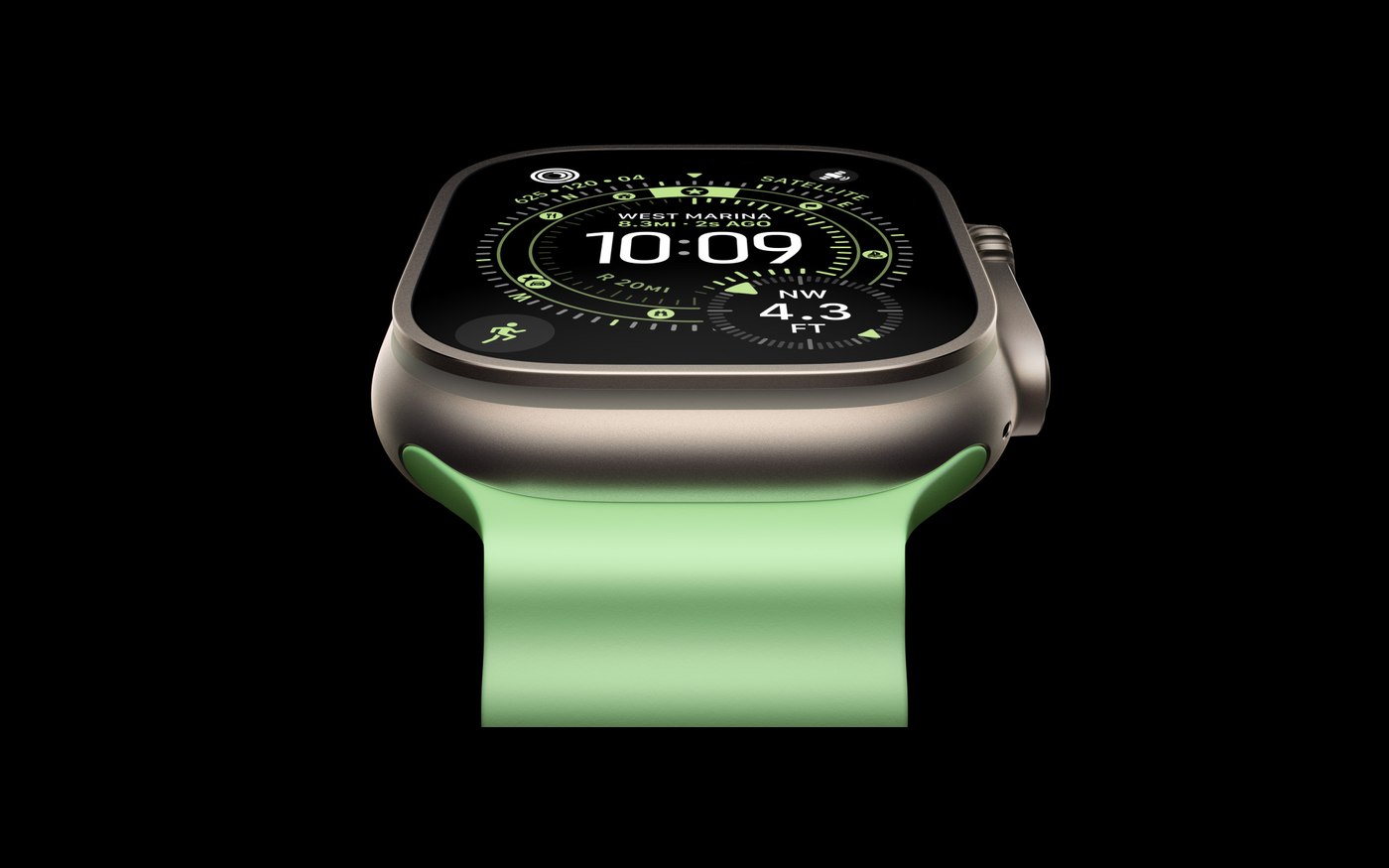
The Apple Watch Ultra 3 can send a text with zero cell coverage, relayed through Globalstar's satellites from a 49mm watch. That capability used to require a dedicated satellite messenger riding on your pack strap, something we've tested in real dead zones.
It also finally has the battery to back the marketing: reviewers at Macworld stretched it to nearly three days per charge. Between those two changes, the Ultra 3 stops being 'a bigger Apple Watch' and starts being a legitimate adventure tool. Whether it's your adventure tool comes down to fine print we'll spell out below, drawing on long-term tests from DC Rainmaker, the5krunner and OutdoorGearLab.
Apple Watch Ultra 3 — Quick Specs
Apple Watch Ultra 3
Best adventure watch for iPhone loyalists
- Our Rating: 4.7 / 5.0
- Price: $799 (49mm titanium, GPS + cellular)
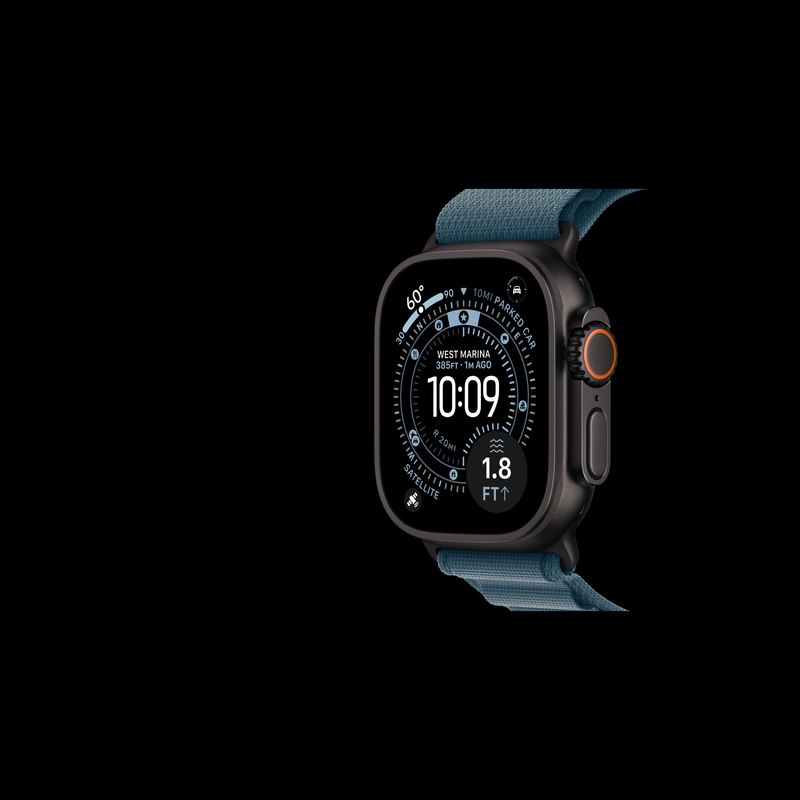
- Display: Wide-angle LTPO3 OLED, 3000 nits
- Battery (tested): 42h rated; ~3 days real-world
- Weight: 61.8 g titanium
- Water resistance: 100 m, EN13319 dive rated
- GPS: Dual-frequency L1 + L5
- Satellite: SOS free; texting needs carrier plan
- Case: 49mm grade-5 titanium
- Works with: iPhone only
Pros
- Nearly three days of real-world battery, a first for Apple
- Satellite SOS works on every unit with no subscription
- Dual-band GPS scored 90% on the5krunner's standardized accuracy test
- Brightest, biggest display Apple has put on a wrist
Cons
- Two-way satellite texting requires an active carrier plan
- $799 buys a Garmin with five times the battery
- 49mm is the only size, and it wears large
Start with the caveat: satellite texting, the headline feature, needs a carrier plan; only the SOS beacon is free on every unit, and coverage is US, Canada and Mexico for now. That said, Macworld measured nearly three full days of real use, and DC Rainmaker's testing found the dual-band GPS finally competitive with dedicated sports watches. If your trips outlast three days, a Garmin Fenix 8 is still the tool. For everyone tethered to an iPhone who wants one watch for the office and the backcountry, this is it.
How Good Is the Satellite Messaging, Really?
Three tiers, and the distinction matters.
SOS works on every Ultra 3 sold, no plan required. Hold the watch skyward, follow the on-screen guidance to aim at the satellite, and emergency services get your location.
Two-way texting and Find My updates need an active carrier plan attached to the watch. No plan, no texts. DC Rainmaker's testing confirms the messaging itself works well once you're provisioned, with the usual satellite caveats about sky view and patience.
Coverage is the United States, Canada and Mexico. Full stop, for now. Alps trekkers and Patagonia hikers get nothing yet.
A dedicated Garmin inReach still wins on global coverage and weeks of standby. But as a safety net that lives on your wrist every day instead of in a drawer, this is the most accessible satellite lifeline anyone has shipped.
Battery and GPS: Has Apple Caught Garmin?
Closed most of the gap, no. Caught, also no.
Battery first. The official rating is 42 hours, 72 in low power mode. Macworld's real-world figure of almost three days tracks with other long-term testers, and it transforms the watch: a weekend trip no longer requires a charger in the pack lid. A Fenix 8 still runs more than two weeks. Different sport entirely.
GPS is closer. The dual-frequency L1+L5 receiver scored 90 percent on the5krunner's standardized accuracy test, which puts it in the same conversation as dedicated multiband sports watches. Macworld's one repeatable failure case: slot canyons and paired mountain faces, where every receiver struggles. For runners choosing between this and a Forerunner 970, the difference is now training software, not track quality.
The Verdict: Who Is the Ultra 3 For?
Weekend adventurers with iPhones: this is your watch, full stop. It survives the trip, navigates it, and can call for help from outside coverage; then it goes back to being an excellent everyday smartwatch on Monday.
Expedition types and ultrarunners should stay with Garmin. Multi-week battery, deeper training load tools and globally available inReach messaging still live on the other side of the fence.
And if you never leave cell coverage, be honest with yourself: the Series 11 does 90 percent of this for half the price. The Ultra 3 rates 4.7, docked for the carrier-plan gate on its marquee feature and a price that funds a very nice weekend of the adventures it's built for.
Where This Review's Data Comes From
Battery and satellite findings: Macworld's long-tour test and DC Rainmaker's in-depth review. GPS accuracy scoring: the5krunner. Additional field context: OutdoorGearLab. Prices are July 2026. Our own dead-zone test of the satellite features is planned for a fall trip.